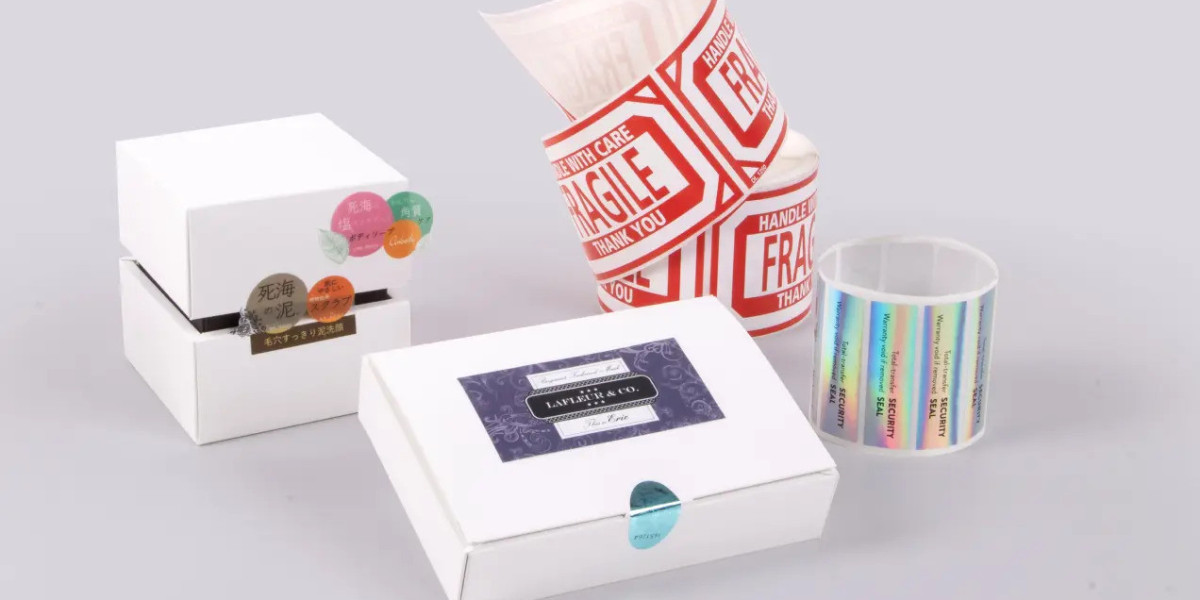

Businesses rely on effective branding to attract customers and build trust. Among the most versatile branding tools, Sticker & Labels stand out because they offer affordability, customization, and functionality. Companies use them to identify products, communicate information, and create memorable brand experiences. Furthermore, stickers and labels help businesses improve product presentation while strengthening brand recognition.
Whether you own a small startup or manage a large manufacturing company, understanding the materials, types, and uses of stickers and labels can help you make informed printing decisions. This guide explains everything you need to know about Sticker & Labels, including their materials, applications, benefits, and selection criteria.
What Are Sticker & Labels?
Many people use the terms stickers and labels interchangeably. However, they serve slightly different purposes.
A sticker typically focuses on promotion, decoration, or branding. Businesses often distribute stickers as marketing tools or use them to enhance product packaging.
A label primarily provides information. Manufacturers place labels on products to display details such as ingredients, instructions, pricing, barcodes, and safety warnings.
Although both products share similarities, each serves a unique role in packaging and branding. As a result, businesses often use both stickers and labels together to achieve maximum impact.
Why Sticker & Labels Matter for Businesses
Modern consumers evaluate products within seconds. Therefore, packaging plays a significant role in purchasing decisions. High-quality stickers and labels offer several advantages:
Improve product appearance
Increase brand recognition
Provide essential product information
Enhance customer trust
Support regulatory compliance
Create professional packaging
Encourage repeat purchases
Moreover, customized sticker and label solutions help businesses stand out in competitive markets.
Common Materials Used for Sticker & Labels
The material selection directly affects durability, appearance, and functionality. Therefore, businesses should understand the available options before ordering.
1. Paper Labels
Paper remains one of the most popular materials for labels.
Advantages
Cost-effective
Easy to print
Suitable for indoor use
Available in multiple finishes
Best Uses
Product packaging
Retail labeling
Shipping labels
Promotional labels
Although paper labels offer affordability, they may not perform well in moisture-prone environments.
2. Vinyl Stickers
Vinyl represents one of the most durable sticker materials available today.
Advantages
Water-resistant
UV-resistant
Long-lasting
Flexible and durable
Best Uses
Outdoor advertising
Vehicle graphics
Window stickers
Promotional branding
Consequently, businesses often choose vinyl stickers for long-term applications.
3. Polyester Labels
Polyester labels deliver exceptional durability and professional appearance.
Advantages
Resistant to chemicals
Tear-resistant
Waterproof
Heat-resistant
Best Uses
Industrial products
Electronics
Machinery labeling
Asset tags
Because polyester withstands harsh conditions, many industrial companies prefer this material.
4. BOPP Labels (Biaxially Oriented Polypropylene)
BOPP labels have gained popularity in food and beverage packaging.
Advantages
Moisture-resistant
Oil-resistant
Durable
Affordable
Best Uses
Beverage bottles
Food containers
Cosmetic packaging
Health products
As a result, BOPP labels serve as an excellent choice for consumer goods.
5. Clear Labels
Clear labels create a premium "no-label" appearance.
Advantages
Elegant design
Transparent finish
Modern look
Professional presentation
Best Uses
Glass bottles
Cosmetic products
Luxury packaging
Premium beverages
Therefore, brands seeking sophisticated packaging often choose clear labels.
Popular Types of Sticker & Labels
Different industries require different labeling solutions. Consequently, printers offer a wide range of sticker and label types.
Product Labels
Product labels provide essential information about the item.
Common details include:
Product name
Ingredients
Instructions
Expiry dates
Barcodes
Businesses use product labels to maintain compliance and inform customers effectively.
Branding Stickers
Branding stickers focus on promoting brand identity.
These stickers often feature:
Company logos
Brand slogans
Promotional messages
Social media handles
Furthermore, branding stickers increase brand visibility and customer engagement.
Warning Labels
Warning labels communicate safety information.
Industries use them to indicate:
Hazard warnings
Handling instructions
Safety precautions
Compliance requirements
Therefore, warning labels help businesses reduce risks and meet legal standards.
Barcode Labels
Barcode labels simplify inventory management and retail operations.
Benefits include:
Faster checkout processes
Accurate inventory tracking
Improved logistics
Better stock management
As a result, barcode labels have become essential for modern businesses.
Tamper-Evident Labels
Tamper-evident labels reveal signs of package interference.
These labels help:
Protect product integrity
Build consumer trust
Improve security
Prevent counterfeiting
Consequently, pharmaceutical and food industries frequently use them.
QR Code Labels
QR code labels connect physical products with digital experiences.
Customers can scan them to access:
Product information
User manuals
Promotional offers
Company websites
Therefore, QR labels support interactive marketing strategies.
Finishing Options for Sticker & Labels
Printing quality alone does not determine a label's effectiveness. Finishing options also influence appearance and durability.
Gloss Finish
Gloss finishes create vibrant colors and shiny surfaces.
Benefits include:
Enhanced visual appeal
Better color contrast
Professional appearance
Many businesses choose gloss finishes for retail packaging.
Matte Finish
Matte finishes offer a smooth, non-reflective appearance.
Benefits include:
Sophisticated look
Easy readability
Reduced glare
Luxury brands frequently prefer matte finishes.
Lamination
Lamination adds an additional protective layer.
Benefits include:
Increased durability
Moisture resistance
Scratch protection
Therefore, laminated stickers and labels perform well in demanding environments.
Foil Stamping
Foil stamping adds metallic accents to labels.
Popular options include:
Gold foil
Silver foil
Rose gold foil
As a result, foil stamping creates a premium and luxurious appearance.
Embossing
Embossing raises specific design elements above the surface.
Benefits include:
Enhanced texture
Premium feel
Improved visual impact
Many high-end brands use embossing to elevate product presentation.
Industries That Use Sticker & Labels
Almost every industry relies on stickers and labels for communication and branding.
Food and Beverage Industry
Food manufacturers use labels to display:
Ingredients
Nutrition facts
Expiry dates
Allergen information
Therefore, labels help consumers make informed purchasing decisions.
Cosmetics Industry
Cosmetic brands use attractive labels to showcase:
Product benefits
Usage instructions
Brand identity
Furthermore, premium labels enhance shelf appeal.
Pharmaceutical Industry
Pharmaceutical labels ensure patient safety by providing:
Dosage instructions
Safety warnings
Expiration dates
Regulatory information
As a result, accurate labeling remains critical in healthcare.
Retail Industry
Retailers depend on labels for:
Pricing
Inventory management
Promotions
Product identification
Consequently, labels improve operational efficiency.
Logistics and Shipping
Shipping labels support accurate deliveries through:
Tracking information
Destination addresses
Barcode systems
Therefore, logistics companies cannot operate effectively without reliable labeling solutions.
How to Choose the Right Sticker & Labels
Selecting the correct sticker or label requires careful planning.
Consider the Application Environment
First, determine where the sticker or label will be used.
Ask questions such as:
Will it face sunlight?
Will it encounter moisture?
Will it experience heat exposure?
These factors influence material selection significantly.
Focus on Durability
Different applications require different durability levels.
For example:
Outdoor applications need vinyl.
Industrial settings need polyester.
Short-term promotions may only require paper.
Therefore, matching durability to application ensures better performance.
Prioritize Brand Identity
Every sticker and label should reflect your brand image.
Consider:
Colors
Typography
Logo placement
Finish options
As a result, consistent branding strengthens customer recognition.
Ensure Regulatory Compliance
Industries such as food, healthcare, and chemicals must follow labeling regulations.
Therefore, businesses should verify compliance requirements before printing labels.
Choose High-Quality Printing
Printing quality affects customer perception.
High-resolution printing delivers:
Sharp graphics
Vibrant colors
Professional appearance
Consequently, investing in quality printing often produces better branding results.
Benefits of Custom Sticker & Labels Printing
Custom printing allows businesses to create unique solutions tailored to their needs.
Increased Brand Awareness
Custom stickers and labels showcase logos, colors, and messaging consistently.
Therefore, customers remember the brand more easily.
Enhanced Product Appeal
Professional labels make products look more attractive on shelves.
As a result, businesses often experience increased sales opportunities.
Better Customer Experience
Clear and informative labels help customers understand products quickly.
Consequently, customers feel more confident when making purchases.
Cost-Effective Marketing
Custom stickers act as mobile advertisements.
Whenever customers display branded stickers, they promote the business organically.
Future Trends in Sticker & Labels Printing
The sticker and label industry continues to evolve.
Several emerging trends include:
Sustainable Materials
Many companies now choose eco-friendly materials to reduce environmental impact.
Smart Labels
Smart labels integrate technologies such as:
QR codes
NFC chips
RFID tracking
These innovations improve customer interaction and supply chain management.
Personalized Packaging
Brands increasingly create personalized labels to enhance customer engagement.
Digital Printing
Digital printing enables:
Faster production
Lower setup costs
Variable data printing
Greater customization
Therefore, digital printing continues to gain popularity across industries.
Conclusion
Sticker & Labels play a vital role in modern branding, packaging, and communication. They help businesses present products professionally, provide critical information, and strengthen customer trust. Moreover, various materials such as paper, vinyl, polyester, BOPP, and clear films allow businesses to choose solutions that match their specific requirements.
Whether you need custom stickers, product labels, packaging labels, or branding labels, understanding the available materials, types, and finishing options will help you make better decisions. By investing in high-quality sticker and label printing, businesses can improve product presentation, increase brand visibility, and create lasting impressions on customers.