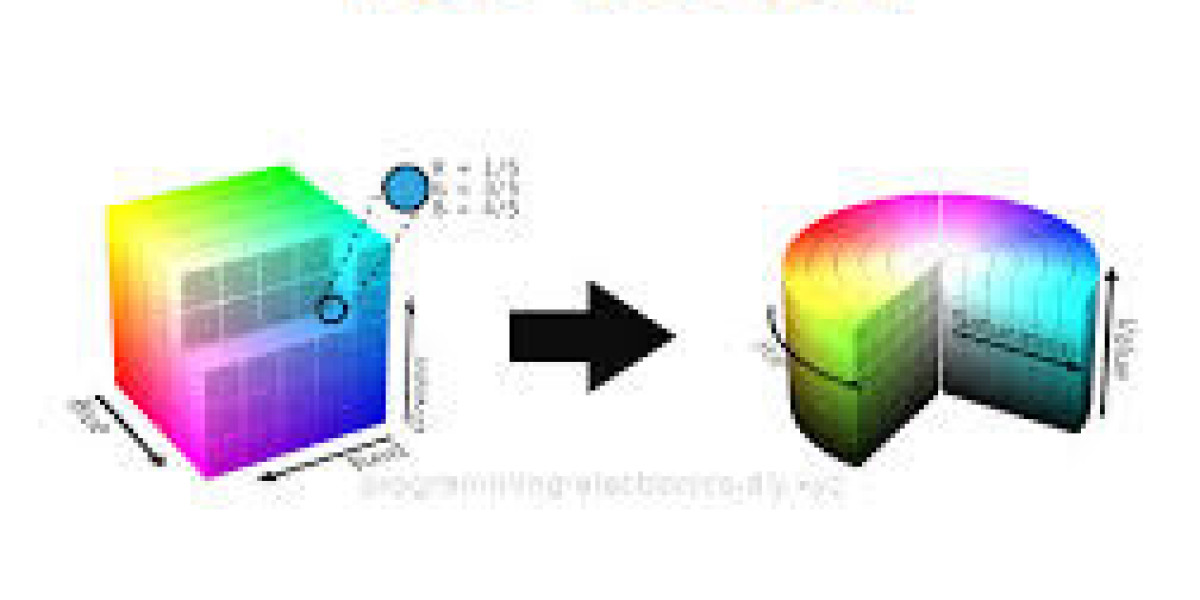

Colors are a fundamental part of digital design, web development, branding, and user experience. While most screens display colors using the RGB model, many designers prefer working with color systems that are easier to adjust and understand. This is one reason why learning to convert rgb to hsl has become increasingly useful for designers, developers, and creative professionals.
By converting RGB values into HSL format, users can manipulate colors more intuitively and create consistent visual experiences across websites, applications, and marketing materials. Understanding the relationship between these two color models helps improve both design flexibility and workflow efficiency.
What Is the RGB Color Model?
RGB stands for Red, Green, and Blue.
This color model is used by digital devices such as computers, smartphones, televisions, tablets, and monitors. Colors are created by combining different amounts of red, green, and blue light.
Because modern screens rely on emitted light, RGB serves as the primary color model for digital content.
Why Is RGB So Common in Digital Design?
Every pixel on a digital screen is built around red, green, and blue components.
By adjusting the intensity of these three colors, displays can generate millions of unique color combinations. This makes RGB the standard format for websites, applications, videos, and digital graphics.
Most digital assets ultimately depend on RGB values for display.
What Is the HSL Color Model?
HSL stands for Hue, Saturation, and Lightness.
Unlike RGB, which focuses on color components, HSL describes colors based on their appearance. Hue identifies the color itself, saturation controls intensity, and lightness determines brightness.
Many designers find HSL easier to understand because it aligns more closely with human perception.
Why Do Designers Prefer HSL for Color Adjustments?
Making color changes in RGB often requires modifying multiple values simultaneously.
With HSL, designers can adjust brightness or color intensity without altering the fundamental hue. This allows for faster experimentation and more predictable color modifications.
The result is a more intuitive design process.
How Does RGB to HSL Conversion Work?
When users convert rgb to hsl, mathematical calculations translate red, green, and blue values into hue, saturation, and lightness components.
The conversion process preserves the original color while expressing it in a format that is easier to manipulate. This allows designers to make adjustments more efficiently during the creative process.
Both formats represent the same color using different approaches.
Why Is HSL Useful for Building Color Palettes?
Creating consistent color palettes is an important part of design.
HSL makes it easier to generate lighter shades, darker tones, and complementary variations of a base color. Because hue, saturation, and lightness are separated, designers can create harmonious color systems more systematically.
This improves visual consistency across projects.
How Can Web Developers Benefit From Color Conversion?
Modern web development often involves dynamic color systems and design frameworks.
Developers who understand RGB and HSL can implement themes, animations, and interactive elements more effectively. HSL is particularly useful when adjusting colors programmatically because individual properties can be modified independently.
This flexibility supports better user interface design.
Why Is Color Consistency Important for Branding?
Brands rely heavily on recognizable visual identities.
Colors appear across websites, mobile applications, social media graphics, advertisements, and digital products. Maintaining consistency helps audiences recognize and trust a brand more easily.
Accurate color management supports stronger brand presentation.
How Can Automation Improve Digital Workflows?
Professionals increasingly rely on automation to improve efficiency and accuracy.
Whether handling color conversions, managing websites, or monitoring online assets, automation reduces repetitive work and improves consistency. Solutions such as prourlmonitor demonstrate how specialized tools can simplify technical processes and support more productive workflows.
Efficient systems save valuable time.
Why Do Designers Work With Multiple Color Models?
Different color models serve different purposes.
RGB is ideal for digital display, while HSL is often preferred for color selection and adjustment. Understanding both formats allows designers to move seamlessly between creative planning and technical implementation.
Versatility improves overall design capability.
How Has Digital Color Management Evolved?
Earlier design workflows often relied on manual color calculations and extensive testing.
Modern design software now includes built-in conversion tools, advanced color pickers, and real-time previews. These innovations allow designers to experiment more freely while maintaining accurate color representation.
Technology continues to simplify creative workflows.
Why Is Understanding Color Theory Valuable?
Color influences user perception, engagement, and overall design effectiveness.
Professionals who understand color relationships and color models can make more informed creative decisions. This knowledge contributes to stronger visual communication and improved user experiences.
Good color management is a key design skill.
Why Should You Learn How to Convert RGB to HSL?
Learning to convert rgb to hsl helps designers and developers gain greater control over color adjustments while improving workflow flexibility.
Whether creating websites, designing interfaces, building branding systems, or developing digital products, understanding color conversion supports more efficient and effective design processes. As digital experiences continue evolving, knowledge of multiple color models will remain an essential part of modern creative and technical work.