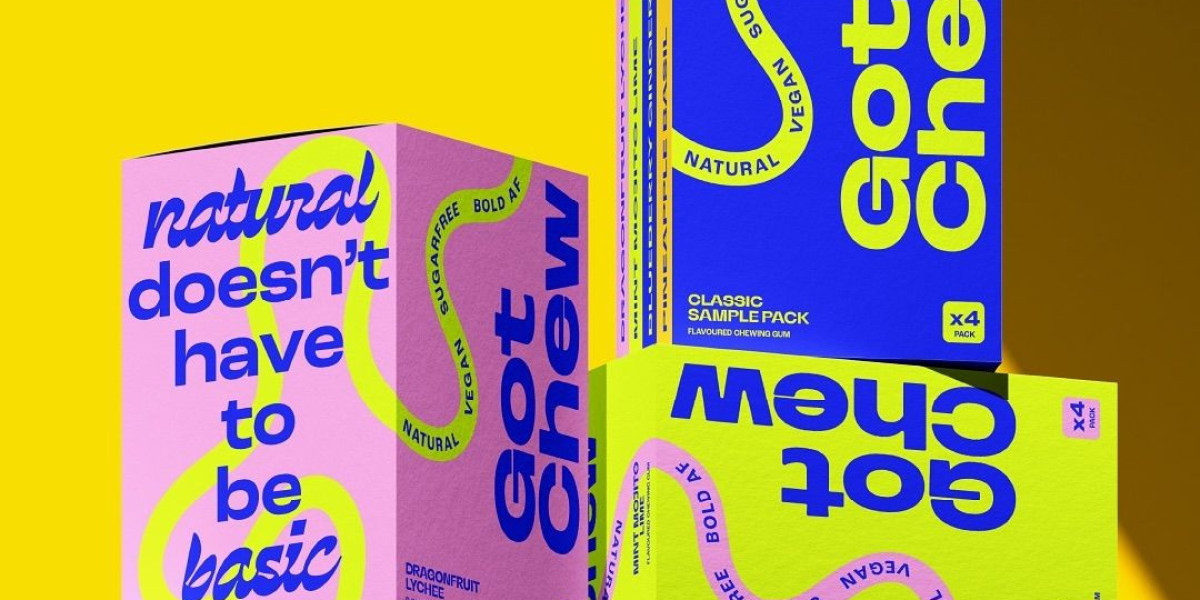

Packaging is more than just a container for products. It serves as a powerful communication tool that influences purchasing decisions, strengthens brand identity, and creates memorable customer experiences. Among the many design elements used in packaging, typography plays a central role. Typography packaging focuses on using fonts, lettering, and text arrangements as key visual elements to enhance product presentation and communicate brand messages effectively.
In today's competitive marketplace, businesses are constantly looking for ways to differentiate their products on crowded retail shelves. Typography-driven packaging has emerged as a popular design approach because it combines creativity with functionality. Whether used in food packaging, cosmetics, apparel, electronics, or luxury goods, what is typography in packaging can transform ordinary packaging into a distinctive brand asset.
As consumers increasingly value design and visual appeal, typography packaging continues to gain importance across industries worldwide.
What Is Typography Packaging?
Typography packaging refers to packaging designs where typography serves as a primary visual element. Instead of relying heavily on images or illustrations, typography-focused packaging uses carefully selected fonts, text layouts, and lettering styles to communicate information and create visual impact.
Typography packaging may include:
- Product names
- Brand logos
- Taglines
- Descriptive text
- Custom lettering
- Decorative typography
- Minimalist text-based designs
The goal is to use typography not only for communication but also as a design feature that attracts attention and reinforces brand identity.
Why Typography Matters in Packaging
Typography influences how consumers perceive a product and brand. The style, size, and arrangement of text can communicate emotions, values, and quality.
Creates First Impressions
Packaging often provides the first interaction between a customer and a product.
Typography can instantly communicate:
- Modernity
- Tradition
- Simplicity
- Creativity
- Professionalism
The right font choice helps establish the desired impression before a customer even reads the content.
Enhances Brand Recognition
Consistent typography helps brands create a recognizable visual identity.
When consumers repeatedly encounter the same typography style, they become more familiar with the brand.
This consistency can improve:
- Brand recall
- Customer loyalty
- Product recognition
Improves Communication
Packaging must provide important information clearly and effectively.
Typography helps communicate:
- Product names
- Ingredients
- Instructions
- Features
- Company information
Clear typography ensures that consumers can easily understand packaging content.
Supports Product Differentiation
In crowded retail environments, typography can help products stand out from competitors.
Unique lettering styles and creative layouts often attract customer attention and encourage product exploration.
Key Elements of Typography Packaging
Font Selection
Choosing the right font is one of the most important decisions in typography packaging.
Different font categories communicate different characteristics.
Serif Fonts
Serif fonts feature decorative strokes at the ends of letters.
They often communicate:
- Heritage
- Tradition
- Reliability
- Sophistication
These fonts are commonly used for luxury and premium products.
Sans-Serif Fonts
Sans-serif fonts have clean and simple letterforms.
They are often associated with:
- Modern design
- Simplicity
- Innovation
- Minimalism
Many contemporary brands prefer sans-serif typography.
Script Fonts
Script fonts resemble handwritten text.
They can communicate:
- Creativity
- Elegance
- Personalization
These fonts are frequently used in beauty and specialty product packaging.
Display Fonts
Display fonts are highly decorative and designed to attract attention.
They are often used for:
- Product titles
- Promotional packaging
- Limited-edition products
Font Size
Typography hierarchy is essential for effective communication.
Larger text typically highlights:
- Brand names
- Product names
- Promotional messages
Smaller text is used for supporting information.
Proper sizing helps guide the customer's attention through the packaging design.
Text Placement
The positioning of typography significantly affects visual balance and readability.
Effective placement helps:
- Improve information flow
- Enhance visual appeal
- Maintain design consistency
Designers carefully arrange text elements to create an organized layout.
Color and Contrast
Typography color choices influence both readability and aesthetics.
High contrast between text and background improves visibility, while color selection can reinforce brand identity.
Types of Typography Packaging Designs
Minimalist Typography Packaging
Minimalist packaging relies on clean layouts and limited design elements.
Characteristics include:
- Simple fonts
- Generous spacing
- Clear messaging
- Reduced visual clutter
This style is popular among modern lifestyle and wellness brands.
Bold Typography Packaging
Bold typography emphasizes large, prominent text.
Benefits include:
- Strong shelf presence
- Immediate visibility
- Memorable branding
Many food and beverage brands use bold typography to attract attention.
Vintage Typography Packaging
Vintage-inspired typography draws influence from historical design styles.
Features often include:
- Decorative lettering
- Traditional fonts
- Classic layouts
This approach is commonly used for artisan and heritage-focused products.
Luxury Typography Packaging
Luxury packaging often incorporates refined typography with elegant spacing and sophisticated finishes from Your Box Packaging.
Characteristics include:
- High-quality printing
- Foil accents
- Embossed lettering
- Minimalist sophistication
Typography plays a significant role in conveying exclusivity and refinement.
Industries Using Typography Packaging
Food and Beverage
Food brands frequently use typography-focused designs to communicate product identity and flavor profiles.
Cosmetics and Beauty
Beauty products often feature elegant typography to create a sophisticated appearance.
Apparel and Fashion
Fashion brands use typography packaging to reinforce brand personality and visual identity.
Technology Products
Technology packaging often relies on clean typography to communicate innovation and simplicity.
Lifestyle Products
Many lifestyle and wellness brands use typography-driven packaging to create modern and appealing designs.
Benefits of Typography Packaging
Strong Visual Identity
Typography helps establish a consistent and recognizable brand image.
Improved Shelf Impact
Well-designed typography can capture customer attention more effectively than generic packaging.
Enhanced Readability
Clear typography helps consumers quickly understand product information.
Design Flexibility
Typography can be adapted to various packaging formats and industries.
Cost-Effective Design
In some cases, typography-focused packaging may reduce the need for extensive illustrations or photography.
Typography Trends in Packaging Design
Oversized Lettering
Large-scale typography continues to gain popularity for its visual impact and readability.
Handcrafted Fonts
Custom lettering and hand-drawn typography create a distinctive and personalized appearance.
Minimalist Layouts
Simple typography combined with clean packaging designs remains a popular trend.
Sustainable Packaging Integration
Typography often plays a larger role in eco-friendly packaging designs where minimal graphics are used.
Experimental Typography
Designers increasingly explore unconventional text arrangements and creative layouts to create unique packaging experiences.
Designing Effective Typography Packaging
When creating typography-focused packaging, designers should consider several factors.
Prioritize Readability
Text should remain clear and legible across all packaging sizes and formats.
Maintain Brand Consistency
Typography should align with the overall brand identity and marketing strategy.
Establish Hierarchy
Important information should stand out through size, weight, and placement.
Balance Creativity and Functionality
While creative typography can attract attention, packaging must still communicate information effectively.
Consider Printing Techniques
Different printing methods may influence how typography appears on the final packaging.
Future of Typography Packaging
As consumer preferences continue to evolve, typography will remain a key component of packaging design. Advances in printing technology and digital design tools allow brands to experiment with new typography styles while maintaining production efficiency.
Future developments may include:
- Interactive typography elements
- Personalized packaging designs
- Sustainable print applications
- Digital integration through QR codes
- Advanced finishing techniques
Typography will continue to shape how brands communicate and connect with consumers through packaging.
Conclusion
Typography packaging combines visual creativity with effective communication, making it one of the most influential elements in modern packaging design. Through thoughtful font selection, layout planning, and branding strategies, businesses can create packaging that captures attention, strengthens brand identity, and enhances customer experiences.
From minimalist product boxes and luxury cosmetics to food packaging and fashion accessories, typography-driven designs offer versatility across countless industries. As packaging continues to serve as a key marketing tool, typography will remain an essential component of successful product presentation and brand storytelling.