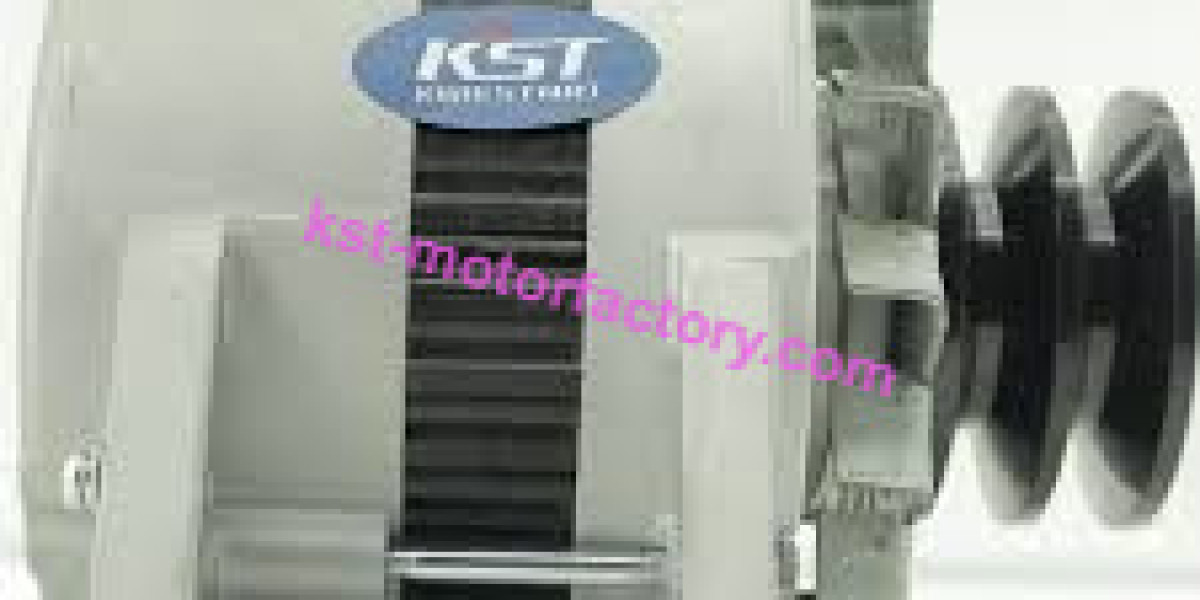

A worksite in a hot desert and a mining operation in a frozen northern region place very different demands on electrical components. Yet a single machine may need to function across both extremes depending on the season or shipping destination. The question of thermal stability becomes critical when evaluating a Construction Machinery Alternator intended for global use. Kst-Motorfactory, the manufacturing brand of Zhejiang KST Automotive Electric Motor Co., Ltd., has designed its alternator series with this wide operating range in mind. Can a standard alternator maintain consistent voltage output when the surrounding air temperature swings from freezing to scorching?
The internal environment of an alternator combines two heat sources: ambient temperature and self-generated heat from electrical resistance. Copper windings carry current, and any resistance produces warmth. In cold conditions, the alternator must overcome thicker lubricants and slower chemical reactions in the battery. In hot conditions, excessive heat degrades insulation materials and reduces the conductivity of copper. A factory that addresses both scenarios selects winding wire with high thermal class insulation, typically class F or H, which withstands sustained internal temperatures without cracking or softening. This insulation choice prevents short circuits and maintains electrical separation between windings even when the engine compartment runs hot.
Voltage regulation presents another temperature-sensitive function. A regulator adjusts the alternator's output based on battery state and electrical load. However, regulator components themselves have temperature coefficients. A standard regulator may reduce output voltage when its own internal temperature rises, causing undercharging in hot weather. A thermal-stable design uses components selected for minimal drift across the operating range. Some regulators include temperature compensation circuits that actively adjust set points to maintain target voltage regardless of ambient conditions. KST incorporates such engineering into its units, ensuring that a machine working in a tropical quarry charges its battery as effectively as one operating in a temperate zone.
Cooling system design separates a temperature-capable alternator from a basic unit. Airflow passes through the housing, over the rectifier diodes, and across the stator windings. A factory that understands thermal management shapes cooling fins for maximum surface area and positions the fan to pull air across hot spots. Without adequate cooling, the alternator enters thermal derating, where output current drops to protect internal parts. This derating leaves the machine's electrical system underpowered exactly when the operator needs reliable starting and lighting. Testing under simulated extreme conditions confirms that the cooling design works as intended. KST uses climate chambers to verify performance across a wide thermal range before units leave the production floor.
Material selection for diodes and bearings also affects temperature stability. Diodes convert alternating current from the stator into direct current for the battery and vehicle systems. Each diode has a junction temperature limit beyond which it fails. High-temperature diodes with larger junction areas and better heat sinking survive longer in hot environments. Bearings contain grease that loses viscosity at high temperatures and thickens at low temperatures. A cold-thickened bearing creates drag, reducing alternator efficiency until it warms. Specialty greases with wide operating temperature ranges solve this problem. A manufacturer that specifies these materials delivers an alternator that starts easily on a frozen morning and runs all day in summer heat without complaint.
When selecting an alternator for heavy equipment, the buyer should examine the thermal specifications in the technical datasheet. For detailed product specifications and a full list of compatible construction machinery models, please review the alternator collection at https://www.kst-motorfactory.com/product/construction-vehicle-alternator/. After confirming that the unit uses high-temperature insulation, stable regulators, effective cooling, and wide-range lubricants, the next question involves how the factory proves these claims through documented test reports. Does your current alternator supplier provide thermal performance data from actual climate chamber validation?