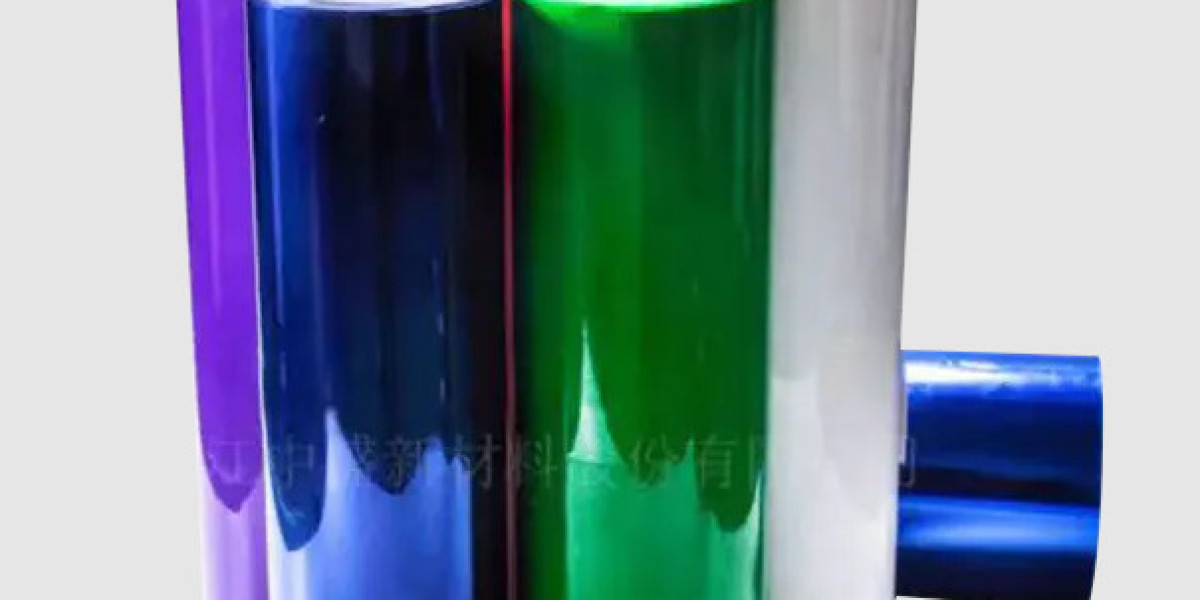

Packaging industries worldwide continue to evolve toward materials that combine clarity, strength, and recyclability. Among thermoplastic materials, polyethylene terephthalate has become a widely adopted solution due to its balance of optical and mechanical properties.
One of the key reasons for its popularity is its excellent transparency and surface gloss, which allows consumers to clearly see packaged products. This is especially valuable in food trays, blister packs, and retail display packaging where product visibility influences purchasing decisions. A typical PET Sheet offers light transmittance above 88% with haze values often below 2%, making it suitable for high-clarity applications.
From a mechanical standpoint, PET-based materials offer tensile strength in the range of 50–70 MPa, depending on processing conditions. This allows packaging to maintain structural integrity during transport and handling. In addition, density is typically around 1.34–1.38 g/cm³, which provides a balance between rigidity and lightweight performance.
Thermoforming is one of the most important processing methods for packaging applications. PET Sheet performs well under forming temperatures of approximately 120°C to 160°C, allowing it to be shaped into trays, lids, and containers without significant deformation or cracking. This makes it suitable for high-speed production lines in packaging manufacturing.
Another important factor is chemical resistance. PET materials resist oils, weak acids, and many food-related substances, making them ideal for direct food contact applications. Combined with low moisture absorption (generally below 0.3%), the material maintains dimensional stability even in humid environments.
Sustainability also plays a key role in packaging decisions. PET materials are recyclable and can be reprocessed into fibers, films, or secondary plastic products, supporting circular economy initiatives.
Overall, PET Sheet continues to be a reliable material for packaging engineers seeking a combination of clarity, durability, and processability.