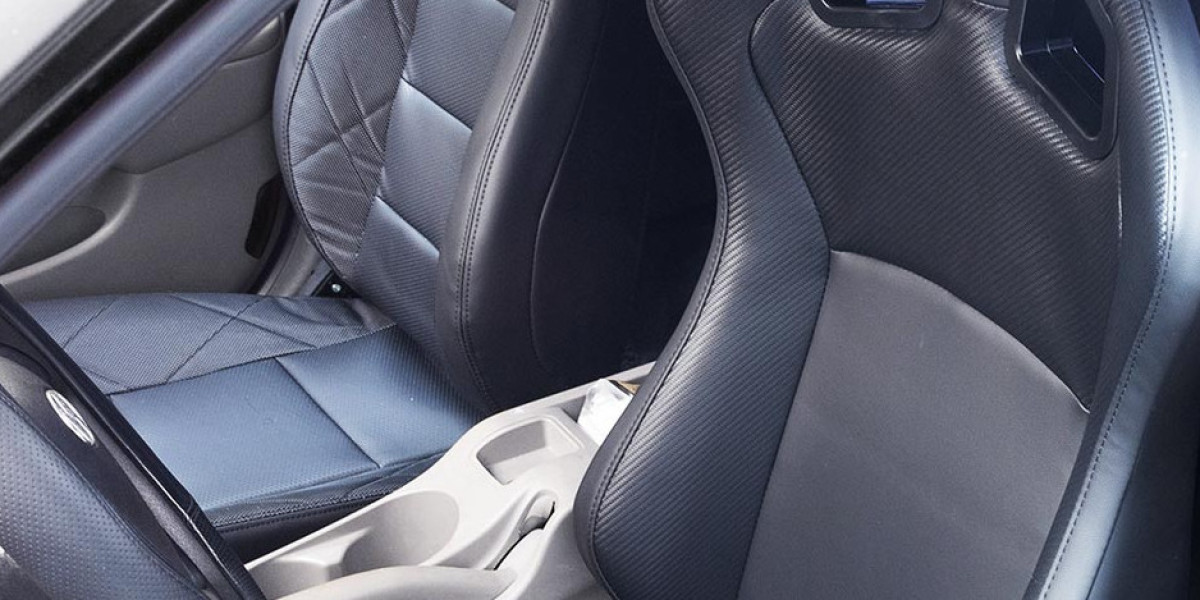

Racing seats are engineered to provide superior lateral support, reduce driver fatigue, and improve vehicle control under extreme driving conditions. Unlike standard automotive seating, racing seats are built with a rigid shell structure designed to hold the driver in a fixed position during high-speed cornering, rapid acceleration, and sudden braking.
A professional Racing Seats Manufacturer typically uses advanced composite materials such as fiberglass, carbon fiber, or reinforced polymer blends. Fiberglass shells usually have a wall thickness of 3–5 mm, offering a balance between rigidity and cost efficiency. Carbon fiber variants can reduce overall seat weight to as low as 6–8 kg, significantly improving power-to-weight ratio in performance vehicles.
The ergonomic structure includes deep side bolsters designed to withstand lateral forces exceeding 1.5–2.5 g in motorsport conditions. Many racing seats also incorporate integrated head protection wings and lumbar support zones to minimize spinal stress during long track sessions.
Mounting systems follow standardized side-mount spacing, commonly 290 mm or 345 mm, ensuring compatibility with most racing chassis setups. Additionally, FIA-homologated models are tested under impact loads exceeding 20 g to ensure structural integrity.
Ventilation and padding systems are also optimized. High-density foam inserts ranging from 25–45 kg/m³ density are commonly used to balance comfort with rigidity. In competitive environments, minimal padding is preferred to maintain driver feedback accuracy.
Overall, racing seats are not just components but critical safety systems designed through precision engineering and rigorous testing protocols.