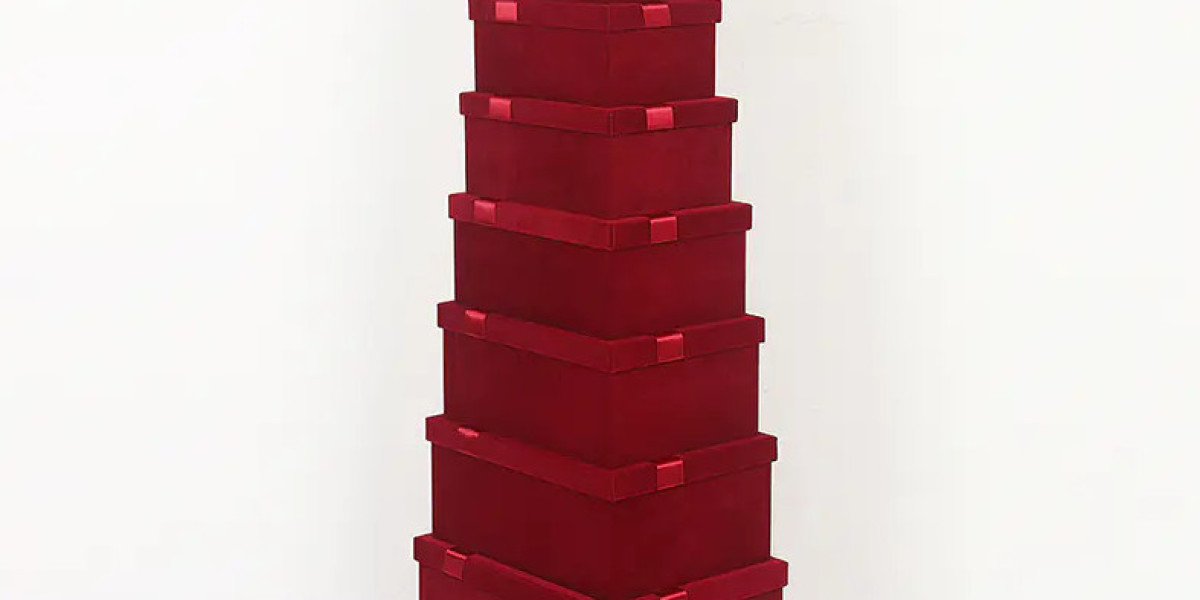

A well-designed Gift Box has become more than simple outer packaging. Across retail, cosmetics, electronics, food, and promotional industries, packaging now plays a direct role in how customers judge product value before they even touch the item inside. Recent packaging discussions and industry reports show that rigid structures, magnetic closures, and recyclable materials are increasingly preferred because they combine presentation with protection.
Packaging trends have shifted toward cleaner visual styles and stronger structural performance. Many buyers now prefer minimal printing, matte finishes, and textured paper surfaces instead of heavily decorated designs. Soft-touch lamination and hidden magnetic closures are commonly used in premium packaging because they improve the opening experience while maintaining durability.
Rigid board construction remains one of the most widely used technical solutions for premium packaging. A common specification uses 1200–1800 gsm greyboard combined with coated art paper or kraft wrapping material. This structure improves compression resistance during transportation and helps the box maintain sharp edges during storage and repeated opening cycles.
Magnetic closure systems continue to gain popularity in luxury packaging applications. Hidden magnets create a controlled opening and closing action that gives the product a more refined presentation. Industry articles frequently mention that the “snap” effect of magnetic lids adds a sensory detail that customers remember after the purchase.
Modern packaging projects also focus heavily on insert engineering. Foam inserts, EVA trays, paperboard partitions, and satin-lined cavities are often customized according to product dimensions. These inserts reduce internal movement and help protect fragile items such as cosmetics bottles, candles, electronics, and jewelry. Some manufacturers recommend maintaining internal tolerance gaps of approximately 0.5–1 mm to achieve stable product positioning without damaging printed surfaces.
Sustainability has become another major factor influencing packaging development. Recyclable greyboard, FSC-certified paper, water-based inks, and plastic-free laminations are increasingly adopted in packaging production. Reusable packaging structures are also valued because customers often keep rigid boxes for storage purposes after the original product has been used.
E-commerce businesses especially benefit from premium packaging because online customers often share unboxing experiences through social media platforms. According to several packaging discussions, reusable rigid boxes help brands remain visible long after delivery because consumers continue using them for accessories, office supplies, or home storage.
Technical improvements in printing also allow more customization options than before. CMYK printing, Pantone color matching, foil stamping, embossing, debossing, and spot UV coatings are now widely integrated into packaging production. These finishing methods help companies create visual differentiation without changing the structural design itself.
As packaging standards continue evolving, businesses are paying closer attention to the balance between protection, visual appearance, shipping efficiency, and sustainability. A carefully designed packaging structure no longer acts only as a container. It has become part of the overall product experience and brand communication strategy.