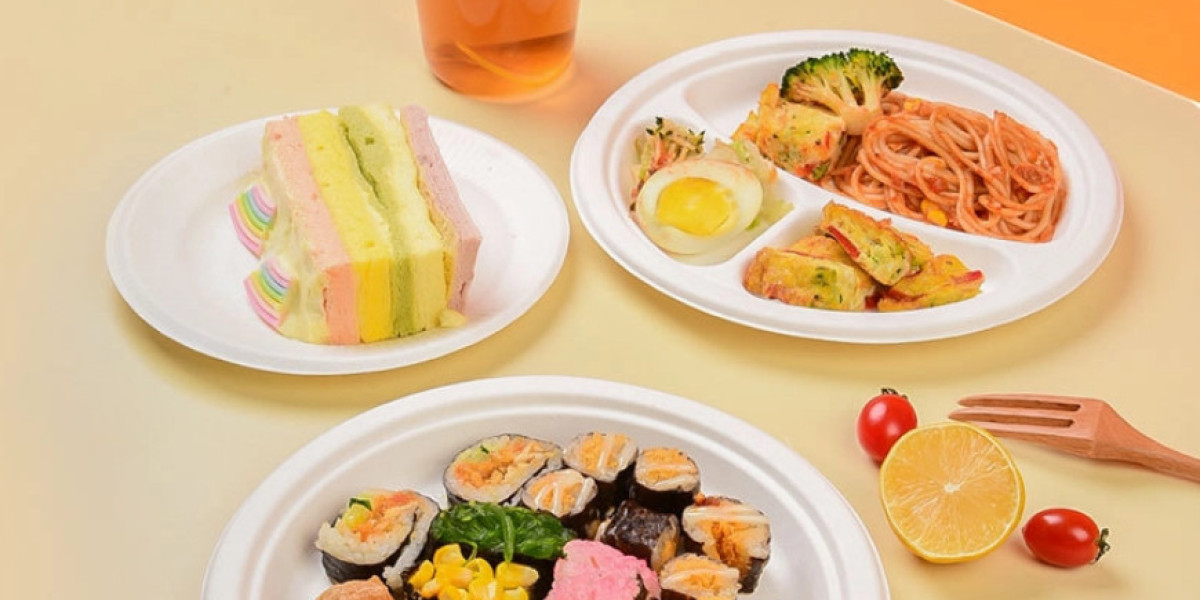

Growing pressure on the food service industry has encouraged restaurants, cafés, and takeaway brands to reconsider the materials used in disposable containers. Plastic bans in many regions, combined with consumer interest in environmentally responsible packaging, have accelerated the demand for fiber-based alternatives. Among these materials, bagasse food packaging has become increasingly common because it combines durability, compostability, and practical food safety performance. Industry reports also note that molded sugarcane fiber packaging continues to expand across food delivery and catering applications.
Bagasse is the fibrous residue left after sugarcane juice extraction. Instead of being discarded or burned, the material can be processed into pulp and molded into plates, bowls, trays, clamshell containers, and takeaway boxes. This recycling of agricultural residue supports a circular manufacturing approach while reducing dependence on petroleum-based plastics.
One reason food businesses are adopting molded fiber containers is their ability to handle demanding serving conditions. Sugarcane pulp packaging is commonly designed to tolerate temperatures from -20°C to around 120°C, making it suitable for both chilled and hot meals. Some products can withstand microwave heating for several minutes without deformation. Heat resistance and oil resistance are especially important for restaurants serving fried foods, noodles, rice meals, or grilled dishes.
Another operational advantage is moisture management. Unlike foam packaging that can trap steam and soften crispy food, fiber containers allow limited ventilation, helping maintain texture during delivery. Packaging specialists have pointed out that this feature improves the presentation of hot takeaway meals.
Modern molded pulp manufacturing also supports product customization. Factories can produce containers with different compartment layouts, embossed logos, smooth or textured surfaces, and reinforced edges for stacking performance. Common grammage ranges from 280gsm to 450gsm depending on product size and intended load-bearing requirements. Larger meal boxes may use thicker wall structures to improve rigidity during transportation.
Environmental considerations remain one of the strongest drivers behind the transition. Under industrial composting conditions, many sugarcane fiber containers can decompose within 60 to 90 days. This contrasts sharply with conventional plastic products that may persist in landfills for decades.
Restaurants also benefit from the natural appearance of bagasse products. The off-white or light beige surface communicates a cleaner and more organic image to customers. Food brands increasingly view packaging as part of their marketing strategy, especially in online food delivery where presentation affects customer perception and repeat orders.
Production technology has improved rapidly over recent years. Advanced thermoforming systems can now produce smoother surfaces, tighter lid fits, and more consistent wall thickness. Water and grease resistance are also improving through PFAS-free coating technologies and refined fiber blending processes.
As regulations on single-use plastics continue expanding globally, restaurants are expected to rely more heavily on renewable packaging materials. Sugarcane fiber containers provide a balance between environmental responsibility and commercial practicality, making them suitable for quick-service restaurants, catering operations, school cafeterias, and large food delivery platforms. The transition is no longer limited to niche eco-conscious businesses; it is becoming part of mainstream food service packaging strategy.