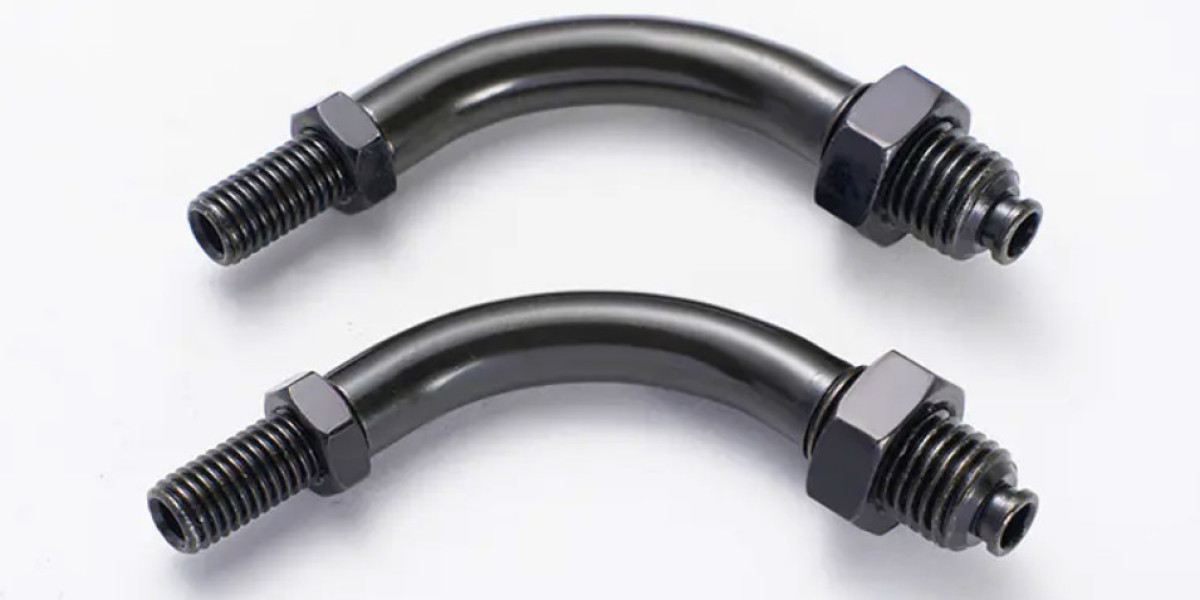

Mechanical braking systems still play an important role in bicycles, motorcycles, industrial vehicles, and light transportation equipment. Behind every responsive braking action is a carefully engineered combination of inner cables, housings, ferrules, adjusters, and terminal fittings. Brake Cable Parts directly influence braking force transmission, lever feel, durability, and rider safety. Modern cable systems are designed to balance flexibility with tensile strength, allowing smooth movement while resisting wear under repeated operation. Industry sources describe brake cable assemblies as essential for reliable motion transfer and controlled deceleration.
The inner cable is often manufactured from galvanized steel or stainless steel strands. Stainless steel cables are widely used because they provide corrosion resistance in humid or wet environments. According to manufacturing references, cable diameters commonly range from 1.1 mm to 1.6 mm depending on the application. Multiple steel strands are twisted together during production to improve flexibility and fatigue resistance. Some high-performance cables also feature PTFE or polymer coatings to reduce friction inside the housing.
Cable housing is equally important. Standard brake housing typically uses a coiled steel structure wrapped in PVC or nylon. This construction allows the housing to bend while maintaining compression resistance during braking. Improper housing selection can negatively affect braking response and create excessive friction. Discussions from repair communities frequently mention that incorrect housing types may lead to “spongy” braking feel and premature cable wear.
Adjusters and ferrules may appear small, but they contribute significantly to system stability. Barrel adjusters help fine-tune cable tension without removing the cable assembly. Ferrules protect the ends of the housing and help maintain proper alignment. In high-vibration environments such as motorcycles or utility vehicles, precision-machined adjusters can improve long-term operational consistency.
Manufacturing quality control is another important factor. Brake cable production generally includes wire drawing, strand twisting, coating, housing extrusion, and tensile testing. Some manufacturers test cable assemblies under repeated load cycles to evaluate fatigue resistance. High-strength stainless steel cables can withstand several hundred kilograms of pulling force depending on structure and diameter.
Environmental exposure also affects cable lifespan. Moisture, road salt, dust, and vibration can gradually increase friction and internal corrosion. Regular inspection helps identify fraying, rust, or tension loss before performance declines. Online maintenance discussions often recommend replacing cables immediately after visible strand damage appears because cable failure may occur suddenly under load.
A professional Brake Cable Parts Company usually focuses on material consistency, dimensional accuracy, and compatibility across different braking systems. This helps improve installation efficiency while supporting smoother braking performance over long operating periods.
As transportation equipment continues evolving, brake cable technology is also improving. Lightweight coatings, enhanced corrosion protection, and low-friction housing materials are increasingly common in modern mechanical braking systems. Even with the growth of hydraulic brakes, cable-operated systems remain widely used because of their straightforward maintenance, cost efficiency, and dependable operation across many industries.