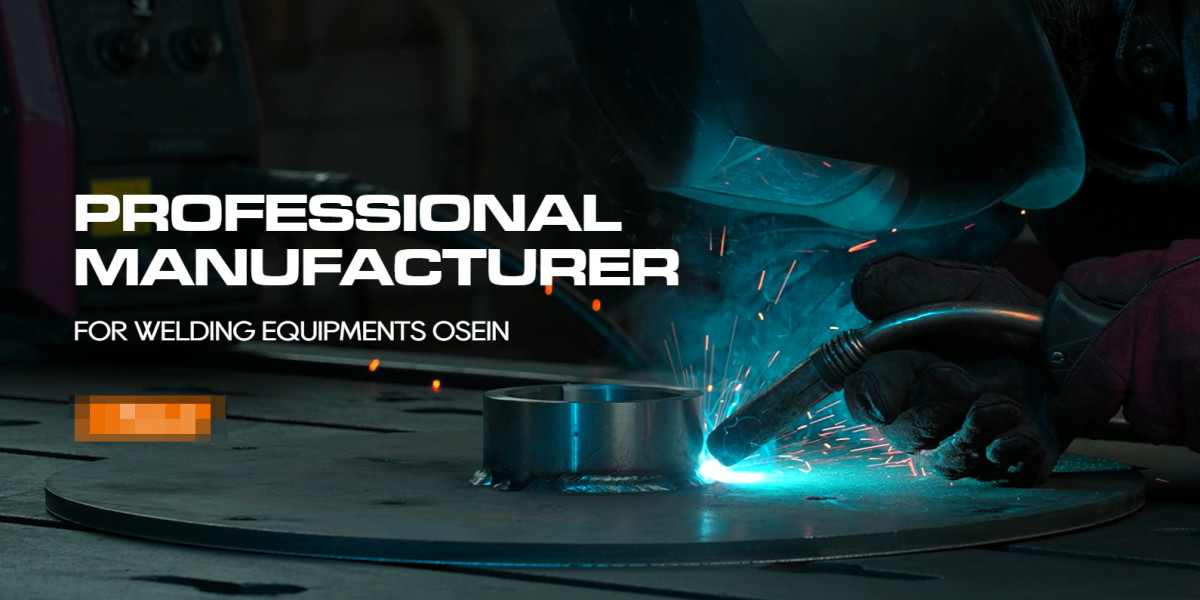

Dual pulse welding technology has become an important advancement in metal fabrication because it improves heat control, bead appearance, and overall welding stability. Unlike conventional MIG processes that operate with a single constant pulse, dual pulse systems alternate between two pulse levels—high and low current cycles. This alternating pattern allows better control of metal transfer and cooling, which directly influences weld strength and surface finish.
A typical industrial setup such as the MIG 350 Dual Pulse Welder demonstrates how this technology supports both precision and productivity in demanding applications. With output ranges often reaching up to 350A, these systems are suitable for working with aluminum alloys, stainless steel, and carbon steel under different thickness requirements. The dual pulse function helps reduce excessive heat input, which is especially important when welding thin materials where distortion is a common issue.
One of the main technical advantages of dual pulse welding is improved droplet control. During the high pulse phase, metal transfer occurs efficiently, while the low pulse phase allows the weld pool to stabilize and cool slightly. This repeated cycle creates a “stacked coin” appearance on the weld bead, which is often associated with high-quality visual results in industrial fabrication.
Another key benefit is reduced spatter formation. Since the arc energy is more controlled, fewer molten particles are expelled during welding, which reduces post-processing work such as grinding and cleaning. This is particularly valuable in industries such as automotive manufacturing, stainless steel processing, and aluminum structural fabrication.
Dual pulse systems also improve operator flexibility. Welders can maintain consistent results even in vertical or overhead positions because the controlled energy input helps stabilize the weld pool against gravity. This makes the process more forgiving for complex welding tasks.
Overall, dual pulse technology represents a significant improvement over standard MIG welding, especially in precision-focused production environments where consistency, appearance, and reduced rework are essential.