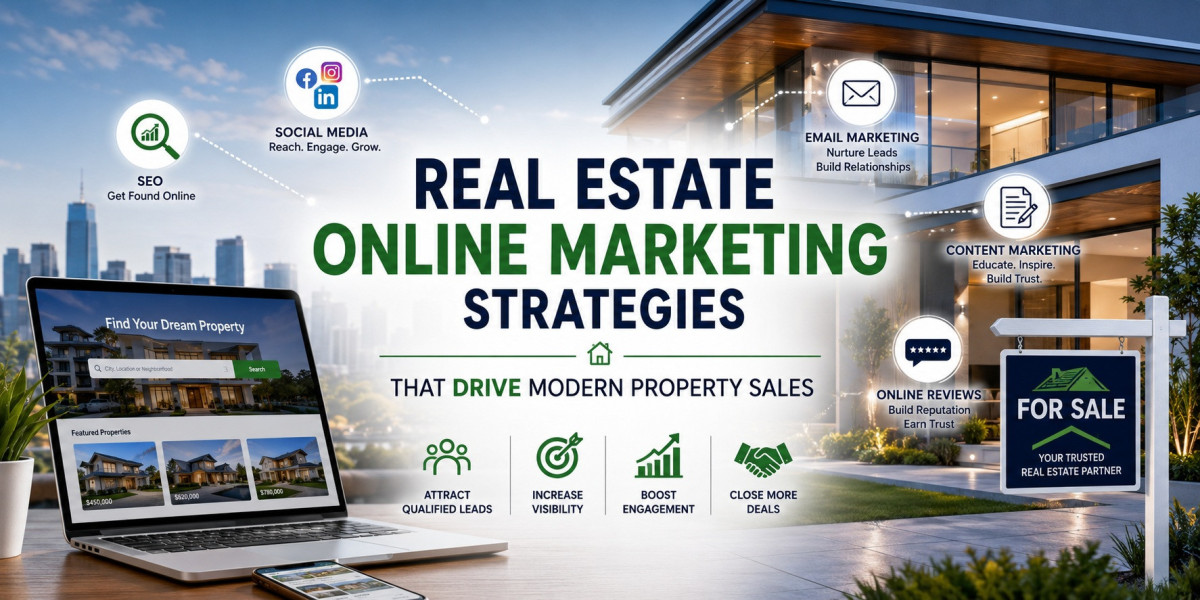

The real estate industry has changed dramatically over the past decade. Buyers and sellers no longer rely only on newspaper listings, roadside signs, or word of mouth recommendations. Today, most property searches begin online, making digital visibility one of the most important factors in real estate success. Whether you are an independent realtor, property developer, or agency owner, understanding real estate online marketing is essential for attracting leads and closing deals.
A strong online marketing strategy helps real estate businesses build trust, increase brand recognition, and connect with potential clients at the right time. In a highly competitive market, companies that invest in smart digital marketing often outperform those that depend solely on traditional methods.
Why Online Marketing Matters in Real Estate
The modern property buyer spends significant time researching homes online before contacting an agent. They compare prices, explore neighborhoods, view photos, and read reviews. This means your online presence often creates the first impression of your business.
Real estate online marketing allows agents and agencies to reach a larger audience without geographical limitations. It also provides opportunities to target specific buyers based on interests, income levels, locations, and property preferences.
Another advantage is cost efficiency. Traditional advertising methods can be expensive and difficult to measure. Digital marketing campaigns, on the other hand, offer measurable results, helping businesses track leads, conversions, and customer engagement.
Building a Professional Real Estate Website
A professional website is the foundation of any successful real estate marketing strategy. It acts as a digital storefront where potential buyers and sellers learn about your services and browse available properties.
Your website should be mobile friendly, fast loading, and easy to navigate. Property listings should include high quality photos, detailed descriptions, pricing information, and contact details. A clean design and simple navigation can improve user experience and encourage visitors to stay longer.
Including valuable content such as neighborhood guides, property investment tips, and market updates can also improve search engine rankings. Search engines favor websites that provide useful and relevant information to users.
The Power of Search Engine Optimization
Search engine optimization, commonly known as SEO, plays a major role in real estate online marketing. SEO helps your website appear higher in search engine results when users search for terms related to real estate services.
For example, a real estate agency in a specific city can optimize its content for keywords like “luxury homes in Lahore” or “commercial property for sale in Karachi.” When done correctly, SEO can generate consistent organic traffic without relying heavily on paid advertising.
Local SEO is especially important for real estate businesses. Creating location based content, updating business profiles, and collecting customer reviews can improve visibility in local searches. The goal is to ensure your business appears when potential clients search for nearby real estate services.
Social Media Marketing for Real Estate Growth
Social media platforms have become valuable tools for real estate professionals. Platforms like Facebook, Instagram, LinkedIn, and TikTok allow agents to showcase properties, share market insights, and interact directly with audiences.
Visual content performs exceptionally well in real estate marketing. Property walkthrough videos, before and after renovation clips, and virtual tours can capture attention quickly. Consistent posting also helps build credibility and keeps your audience engaged.
Social media advertising offers advanced targeting options. Realtors can display ads to users based on location, interests, age, and buying behavior. This increases the chances of reaching qualified leads rather than random audiences.
Building relationships is another important aspect of social media marketing. Responding to comments, answering questions, and sharing useful advice can establish trust with potential clients.
Email Marketing Still Delivers Results
Despite the rise of social media, email marketing remains one of the most effective digital marketing channels for real estate businesses. It allows agents to maintain direct communication with leads and past clients.
A well planned email campaign can include new property listings, market reports, home buying tips, and investment opportunities. Personalized emails often perform better because they address the specific interests of recipients.
Consistency matters in email marketing. Sending regular updates keeps your business fresh in the minds of potential buyers and sellers. However, emails should always provide value instead of sounding overly promotional.
Content Marketing Builds Authority
Content marketing is an excellent way to establish expertise in the real estate industry. Informative blog posts, videos, podcasts, and market reports can attract visitors to your website while improving brand reputation.
Topics such as first time home buying tips, real estate investment strategies, and local market trends are highly valuable to audiences. Educational content positions your business as a trusted source of information rather than just a sales platform.
Video content has become particularly powerful in recent years. Property tours, client testimonials, and neighborhood highlights can increase engagement and help potential buyers connect emotionally with listings.
Online Reviews and Reputation Management
Reputation plays a major role in real estate success. Many buyers and sellers read online reviews before choosing an agent or agency. Positive feedback can influence purchasing decisions and build confidence among potential clients.
Encouraging satisfied clients to leave reviews on business platforms can strengthen your online reputation. At the same time, responding professionally to negative reviews demonstrates transparency and commitment to customer service.
Trust is one of the most valuable assets in real estate marketing. A strong online reputation can significantly impact lead generation and client retention.
Conclusion
Real estate online marketing is no longer optional in today’s digital landscape. From SEO and social media marketing to email campaigns and content creation, every strategy contributes to building visibility and attracting quality leads.
Success in online marketing requires consistency, creativity, and a clear understanding of audience behavior. Real estate businesses that adapt to digital trends can strengthen their brand, improve customer engagement, and achieve long term growth in an increasingly competitive market.
Frequently Asked Questions
What is real estate online marketing?
Real estate online marketing refers to the use of digital channels such as websites, search engines, social media, and email campaigns to promote real estate services and property listings.
Why is SEO important for real estate businesses?
SEO helps real estate websites rank higher in search engine results, making it easier for potential buyers and sellers to discover services online.
Which social media platform is best for real estate marketing?
Instagram and Facebook are highly effective for property promotions because they support visual content, targeted advertising, and audience engagement.
How can content marketing help real estate agents?
Content marketing helps agents build authority, attract website visitors, and educate potential clients through valuable information related to the real estate market.