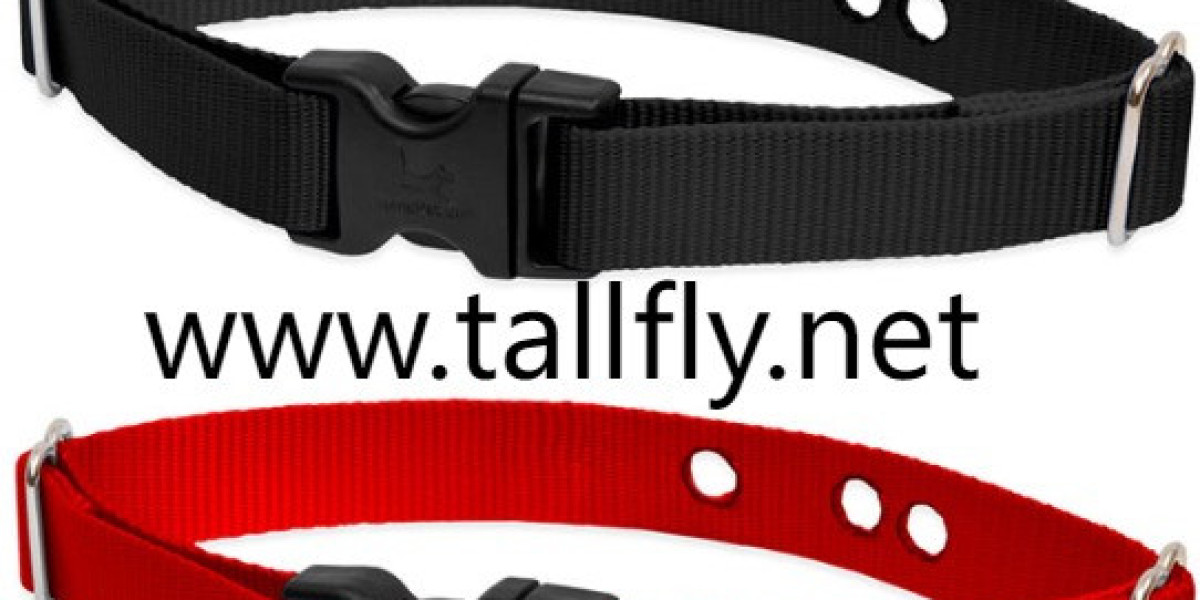

A fundamental piece of equipment wraps around an animal's neck, serving multiple purposes from identification to walk control. A Pet Collar functions as both a practical tool and a safety device that accompanies animals throughout their daily lives. Understanding proper fitting techniques ensures these essential items provide security without compromising comfort or causing health issues over time.
Neck bands come in various materials, each offering distinct characteristics. Nylon provides durability and water resistance, making it suitable for active animals who encounter diverse weather conditions. Leather develops softness through wear while maintaining structural integrity when properly maintained. Fabric options offer lightweight comfort with decorative possibilities, though they may require more frequent replacement than synthetic alternatives. Material selection should consider lifestyle factors including activity levels, climate exposure, and cleaning requirements.
Sizing represents the single determining factor in whether neck equipment serves its purpose safely. Measurements should be taken around the widest part of the neck where the band will rest during normal wear. The two finger rule provides a practical guideline: properly fitted equipment allows two fingers to slide comfortably between the band and neck. This spacing prevents choking while maintaining sufficient snugness to prevent slipping over the head during movement.
Adjustment mechanisms enable customization as animals grow or as coat thickness changes seasonally. Buckle closures offer secure, traditional fastening that maintains set lengths reliably. Quick release clasps provide convenience for frequent removal while still holding firmly during normal wear. Martingale designs tighten slightly when tension applies, preventing escape without creating constant constriction. Understanding how different closure types function helps match equipment to specific needs and behavioral patterns.
Width considerations affect both comfort and control. Narrow bands work well for smaller animals with delicate neck structures, distributing pressure without overwhelming their frames. Wider options suit larger animals, spreading force across greater surface area to prevent discomfort during pulling episodes. Matching width to neck circumference and body size creates balanced equipment that functions effectively without causing irritation.
Weight impacts how equipment feels during extended wear. Heavy hardware or thick materials can burden smaller animals, affecting their natural movement and comfort. Lightweight constructions allow animals to forget they're wearing anything, promoting acceptance and reducing attempts to remove the item. However, construction must remain sturdy enough to withstand daily wear regardless of weight considerations.
Initial introduction affects long term acceptance of new neck equipment. Allowing animals to investigate items before fastening them creates familiarity that reduces anxiety. Starting with short wearing periods gradually builds tolerance, especially for creatures unaccustomed to having anything around their necks. Positive reinforcement during early wearing sessions establishes pleasant associations that encourage cooperation.
Monitoring for fit issues prevents problems before they escalate. Red marks, hair loss, or skin irritation indicate equipment rubbing or pressing too firmly against skin. Frequent scratching at the neck area suggests discomfort requiring attention. Animals able to back out of their neck bands need tighter adjustment, while coughing or breathing changes signal excessive tightness requiring immediate loosening.
Regular inspection catches wear that could compromise safety. Frayed edges, weakened stitching, or damaged hardware components indicate replacement needs. Checking fit periodically accounts for growth in young animals or weight changes in adults. Seasonal coat changes may require temporary adjustments to maintain proper spacing as fur thickness varies.
Tag attachment points should be examined for security and comfort. Heavy or numerous tags create noise and weight that some animals find bothersome. Positioning identification away from the throat prevents tags from pressing uncomfortably during rest. Silicone tag silencers reduce jingling that might disturb sensitive animals or household members.
Proper fitting transforms neck equipment from potential nuisance into unnoticed everyday wear that serves essential safety and identification functions. Taking time to measure accurately, adjust thoughtfully, and monitor continuously ensures animals remain comfortable while benefiting from the security these items provide. For neck equipment designed with both safety and comfort as priorities, visit https://www.tallfly.net/product/ to view options accommodating various sizes, materials, and adjustment preferences.