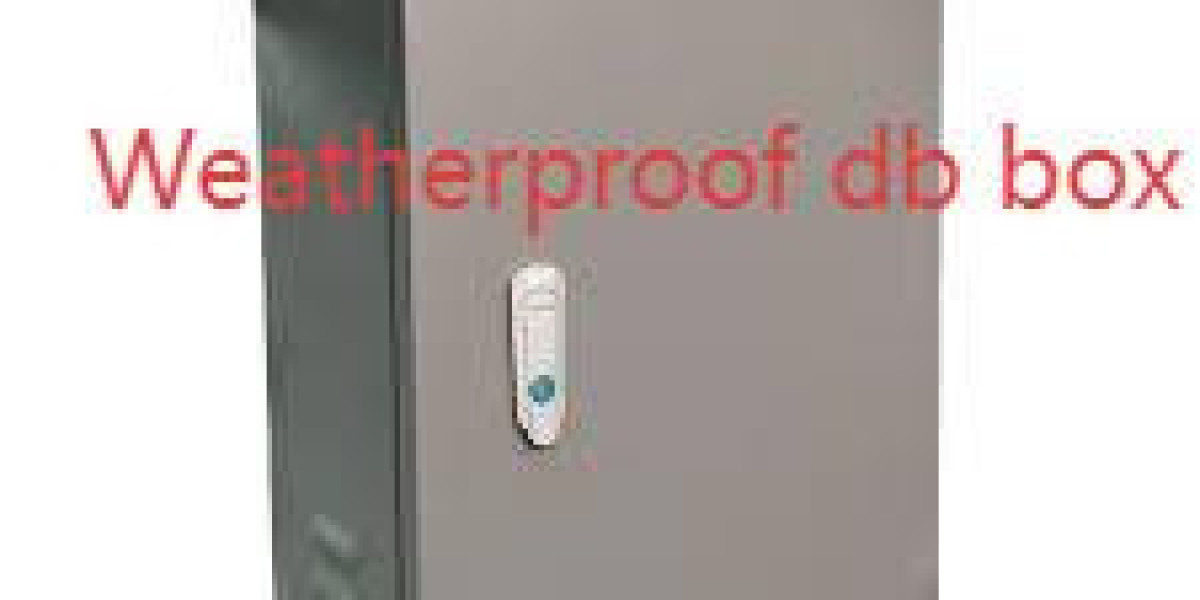

Specifying an enclosure for outdoor electrical distribution begins with the right choice of a Weatherproof db box , since that single component often determines how well circuits survive storms, dust, and seasonal extremes; choosing the correct Weatherproof db box early in the design phase saves costly retrofits and extends equipment life. Modern installations demand enclosures that combine mechanical toughness, long-lasting seals, sensible thermal design, and serviceable layouts so technicians can work quickly and safely in the field. This article explores practical selection criteria, engineering trade-offs, installation details, and lifecycle practices to help electrical engineers, integrators, and facility managers get the best return from their outdoor distribution enclosures.
Site evaluation and specification strategy
The first step is a careful site evaluation that captures prevailing weather patterns, likely contaminants, solar exposure, proximity to salt water, and the probability of physical impact or vandalism. These factors drive core specifications such as ingress protection, impact resistance, and material choice. Specify an appropriate IP rating for rain and spray exposure, and consult local codes for NEMA or equivalent enclosure types. Consider wind-driven rain, dust storms, and the potential for immersion in low-lying installations. Early coordination with architects and civil teams avoids mounting locations that trap water or expose enclosures to unnecessary mechanical risk.
Materials, coatings, and corrosion resistance
Material selection directly influences maintenance intervals and total cost of ownership. Stainless steel offers excellent corrosion resistance in coastal zones but at a higher initial cost and weight. Powder-coated aluminum provides a favorable strength-to-weight ratio and good corrosion resistance if the coating system is properly specified and applied. UV-stable, glass-reinforced polyester (GRP) is an alternative when electrical isolation and corrosion resistance are priorities. Pay attention to edge finishes, weld quality, and powder-coat thickness; these details determine how long protective finishes last under UV and abrasive conditions. For aggressive environments, specify sacrificial anodes, specialized epoxy primers, or marine-grade fasteners to extend service life.
Thermal design and electrical safety considerations
Thermal management is essential when electronics, drives, or transformers are housed within an enclosure. Solar gain can raise internal temperatures dramatically, reducing component lifetime and requiring derating of transformers and breakers. Passive measures include reflective coatings, light-colored finishes, and heat-shedding surface geometries. If internal heat dissipation is high, design for filtered convection, thermostatically controlled fans, or compact air-conditioning units. Ensure clearances and ventilation paths prevent hot spots. From a safety standpoint, implement adequate grounding and bonding schemes, select surge protection devices sized for site exposure, and include arc-flash mitigation strategies in the layout to protect both equipment and personnel.
Sealing, cable entry, and maintainable internal layout
A reliable enclosure maintains its seal through many maintenance cycles. Choose compression-style gaskets and robust flange designs to achieve uniform seal compression and long-term resilience. Proper cable entry using certified glands or conduit interfaces prevents water ingress and preserves IP/NEMA ratings. Internally, separate power, control, and communication wiring to minimize electromagnetic interference and simplify troubleshooting. Use removable mounting plates, DIN rails, and labeled terminal blocks to speed replacements and reduce on-site errors. Plan for drainage paths where condensation may accumulate and include screened vents or desiccant canisters where appropriate.
Procurement, testing, and lifecycle management
Procurement decisions should factor in testing protocols and spare-part strategies. Require manufacturer test reports for IP/IK ratings and specify additional tests—salt spray, UV exposure, and gasket compression cycles—when selecting a vendor. Accept factory-assembled modules with standardized fasteners to reduce field assembly errors. Create a lifecycle plan that tracks gasket replacement intervals, fastener torque checks, and thermal performance baselines. Stock common spares such as gasket kits, latches, and terminal modules to reduce repair time. For mission-critical or remote sites, integrate remote condition monitoring for humidity, temperature, and intrusion detection to trigger preventative maintenance before failures occur.
Smart features, surge protection, and electromagnetic considerations
As enclosures become homes for communications and control electronics, include provisions for electromagnetic compatibility and surge immunity. Design cable segregation and bonding to reduce common-mode noise and protect sensitive electronics. Locate and mount surge protection devices close to incoming service entry points and specify their coordination with upstream protection. Where telemetry is required, plan for isolated earths or dedicated ground systems to avoid ground loops. Provide secure mounting and lightning protection where the risk profile indicates frequent transient events.
Installation best practices and commissioning checks
During installation, follow careful procedures to preserve the enclosure’s protective qualities. Avoid field-drilled holes that compromise coatings and seals; if modifications are unavoidable, recoat edges and reseal penetrations. Torque fasteners to specified values and verify gasket compression across the perimeter. Commissioning should include insulation resistance tests, thermal scans under load, and confirmation of ingress protection after wiring. Document as-built wiring, label all internal components, and provide clear maintenance instructions for on-site teams.
Sustainability and end-of-life planning
Sustainability choices affect both procurement and disposal. Specify materials with lower embodied carbon where feasible and choose finishes with low volatile organic compound content. Design for disassembly—modular panels, replaceable seals, and recyclable plastics—so parts can be replaced without discarding entire enclosures. Provide owners with guidance on recycling options for panels, fasteners, and electronics, and consider refurbished enclosure programs for large-scale rollouts.
A thoughtfully specified outdoor distribution enclosure reduces failures, simplifies maintenance, and extends equipment lifetime when selection, installation, and lifecycle management are treated as a unified process. By prioritizing the right materials, thermal solutions, sealing systems, and monitoring strategies, teams deliver resilient installations that perform reliably in the field. For product details, technical datasheets, and ordering information visit www.nante.com