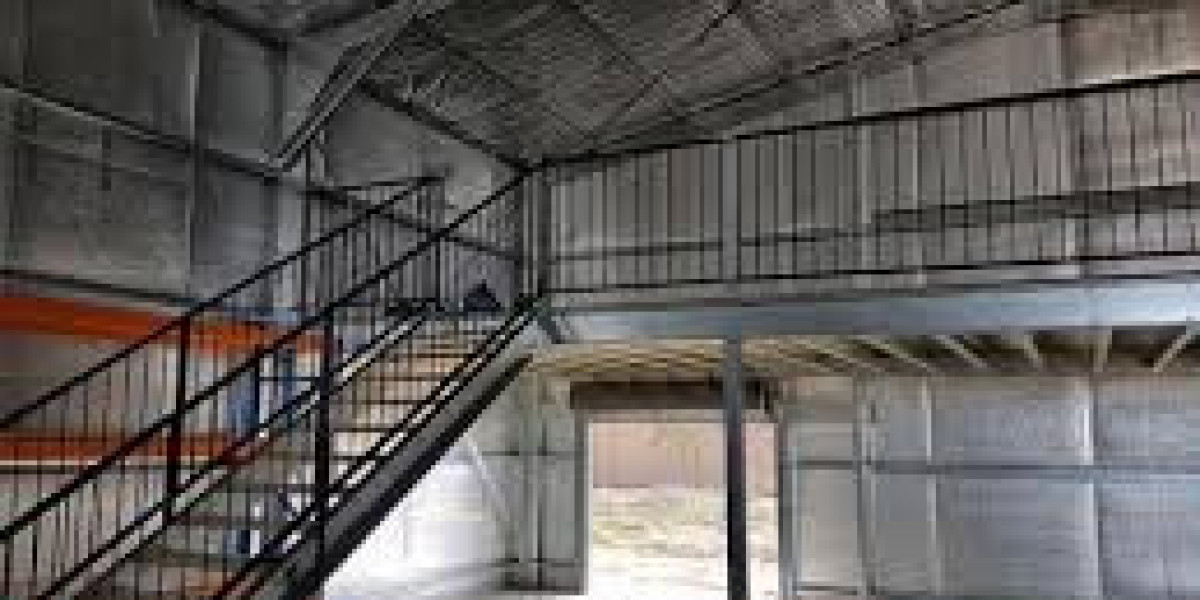

A shed mezzanine is one of the most practical and cost-effective ways to increase usable space without expanding the footprint of your building. Whether you use your shed for storage, a workshop, farming equipment, or even a small business setup, a mezzanine level can dramatically improve organization, efficiency, and workflow.
This guide explains what a shed mezzanine is, how it works, its benefits, design considerations, costs, and installation tips.
What Is a Shed Mezzanine?
A shed mezzanine is an intermediate floor installed between the main floor and the roof of a shed. It does not extend over the entire shed in most cases; instead, it typically covers a portion of the structure to create additional usable space above ground level.
It is commonly used for:
- Extra storage space
- Workshop or office area
- Equipment and parts storage
- Inventory management in commercial sheds
Unlike a full second story, a mezzanine is usually open to the floor below, making it cheaper and easier to install.
Why Install a Shed Mezzanine?
Adding a mezzanine is often more economical than building a larger shed. It maximizes vertical space, which is usually underutilized.
Key Benefits
1. Maximizes Storage Capacity
You can effectively double or even triple your usable storage area without expanding the shed’s footprint.
2. Improves Organization
Separate levels help categorize items—heavy equipment below and lighter goods above.
3. Cost-Effective Expansion
Expanding horizontally requires more land and materials. A mezzanine uses existing space.
4. Increases Property Value
A well-designed mezzanine adds functionality and appeal, especially for commercial properties.
5. Flexible Usage
It can be adapted for storage, workstations, or light industrial tasks.
Common Types of Shed Mezzanines
1. Storage Mezzanine
The most common type, used for storing boxes, tools, and equipment.
2. Office Mezzanine
A small office space built above a workshop or warehouse floor.
3. Industrial Mezzanine
Heavy-duty structures designed for machinery parts, pallets, and commercial use.
4. Partial Mezzanine
Covers only a section of the shed, leaving open space below for larger equipment.
Design Considerations
Before installing a shed mezzanine, careful planning is essential.
Ceiling Height
A minimum shed height of 4.5 to 6 meters is typically required for a practical mezzanine.
Load Capacity
The structure must support intended loads such as storage boxes, tools, or machinery. Steel framing is commonly used for strength.
Access Options
Common access methods include:
- Fixed stairs
- Ladder access
- Rolling stair systems
- Industrial lifts (for heavy use)
Safety Features
- Guardrails
- Non-slip flooring
- Adequate lighting
- Compliance with local building codes
Ventilation and Lighting
Since mezzanines can reduce airflow, proper ventilation and lighting should be planned from the start.
Materials Used in Shed Mezzanines
Most shed mezzanines are built using:
- Steel frames for strength and durability
- Timber decking for cost-effective flooring
- Metal grating for industrial airflow and dust control
- Composite boards for higher load resistance
Steel is the most popular choice for commercial and industrial applications due to its durability and load-bearing capacity.
Installation Process Overview
While professional installation is recommended, the process generally includes:
- Site Assessment – Measuring shed dimensions and load requirements
- Design Planning – Engineering the mezzanine layout
- Structural Preparation – Reinforcing shed frame if needed
- Frame Construction – Installing steel beams and supports
- Floor Installation – Adding decking or grating
- Safety Additions – Railings, stairs, and access points
- Final Inspection – Ensuring stability and compliance
Cost of a Shed Mezzanine
Costs vary depending on size, materials, and complexity.
- Basic DIY timber mezzanine: Lower cost, suitable for light storage
- Steel industrial mezzanine: Higher cost but long-term durability
- Custom commercial installation: Highest cost with engineering compliance
Key factors affecting price:
- Shed size and height
- Load requirements
- Material choice
- Labor and engineering fees
- Safety compliance requirements
Common Mistakes to Avoid
- Ignoring structural load limits
- Poor planning for access points
- Insufficient headroom clearance
- Skipping safety features like guardrails
- Underestimating lighting and ventilation needs
Is a Shed Mezzanine Worth It?
For most property owners, the answer is yes. A mezzanine is one of the most efficient ways to increase usable space without expanding outward. It is especially valuable for workshops, warehouses, farms, and small businesses where space optimization is critical.
However, success depends on proper design and installation. Cutting corners on structure or safety can lead to long-term problems.
Final Thoughts
A shed mezzanine transforms unused vertical space into a highly functional area. Whether you need extra storage, a workspace, or better organization, it offers a practical solution that balances cost and efficiency.
With the right design, materials, and installation approach, a mezzanine can significantly improve how you use your shed for years to come.