
In the evolving world of collectible toys, design trends are no longer shaped only by traditional toy companies. Instead, independent artists, designer collaborations, and pop culture-driven characters are redefining what modern toys look like and how they are experienced. One of the most influential figures in this transformation is Labubu, a character created by artist Kasing Lung and popularized through Pop Mart’s collectible systems.
labubu has become more than just a popular figure in the designer toy scene. It represents a shift in how toys are designed, marketed, and emotionally experienced. Its influence can now be seen across the global toy industry, from aesthetics and storytelling to packaging and collector engagement.
The rise of Labubu in designer toy culture
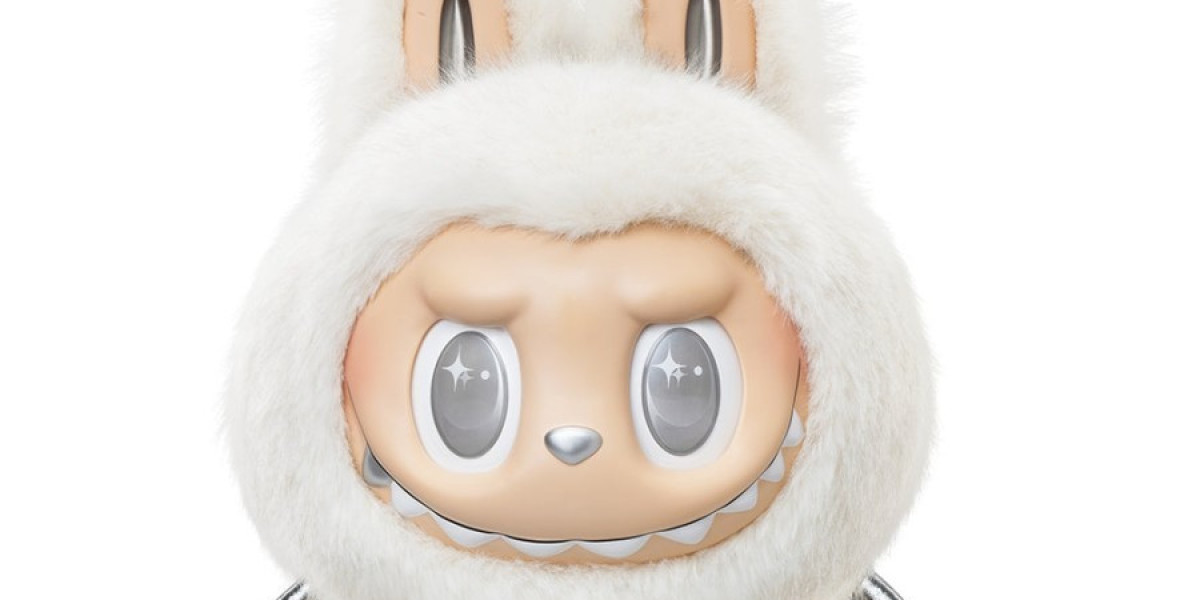
Labubu is part of “The Monsters” series created by Kasing Lung, featuring a whimsical world of fantasy characters. What makes Labubu stand out is its unusual combination of cute and unsettling design elements. With its wide grin, sharp teeth, and expressive eyes, Labubu breaks away from traditional “perfectly cute” toy aesthetics.
This visual identity helped Labubu gain rapid popularity through Pop Mart’s blind box system, where collectors purchase sealed boxes without knowing which figure they will receive. This system adds surprise, excitement, and emotional engagement to the collecting experience.
As Labubu’s popularity grew globally, it began to influence not only collectors but also designers and toy manufacturers seeking to replicate its success.
A shift toward emotional character design
One of the most important ways Labubu influences modern toy design is through emotional expression.
Traditional toys often focused on simplicity, cuteness, or functionality. Labubu introduced a different approach: emotional complexity. Its facial expression can appear mischievous, chaotic, playful, or slightly eerie, depending on the design variation.
This emotional ambiguity has encouraged toy designers to explore characters that are not strictly cute or heroic. Instead, modern toy design now often includes:
- imperfect expressions
- mixed emotions
- fantasy-inspired features
- personality-driven aesthetics
Labubu helped prove that emotional depth in character design can create stronger attachment between collectors and toys.
The popularity of “ugly-cute” aesthetics
Labubu has played a major role in popularizing the “ugly-cute” (or “kawaii-but-weird”) design trend in modern toys.
Instead of aiming for perfect proportions or traditional beauty standards, Labubu embraces unusual shapes and exaggerated features. This includes sharp teeth, asymmetrical expressions, and playful distortion of facial structure.
This aesthetic shift has influenced many new toy designers who now intentionally design characters that are:
- slightly strange
- visually unpredictable
- memorable through uniqueness
As a result, modern collectible toys are becoming more diverse in appearance, moving away from standardized cute designs toward more experimental visuals.
Influence on blind box culture and product experience
Labubu is also deeply connected to the rise of blind box collecting culture, which has become a major trend in modern toy markets.
In blind box systems, buyers do not know which figure they will receive until opening the package. This creates a sense of surprise, anticipation, and emotional reward.
Labubu’s success in this system has influenced toy companies to:
- release series-based collectibles
- include rare “secret” figures
- design sets that encourage full collection
- build excitement through randomness
This approach transforms toy buying into an experience rather than a simple transaction. The emotional engagement created by blind box systems is now widely used across the designer toy industry.
Storytelling as a core design element
Another major influence of Labubu is the importance of storytelling in toy design.
Labubu is not just a standalone figure—it belongs to a larger universe of characters within “The Monsters” series. Each character has its own personality and aesthetic role within this fantasy world.
This storytelling approach has encouraged modern toy designers to:
- build interconnected character universes
- create narrative-driven collections
- develop visual consistency across series
- encourage collectors to engage with lore
Instead of designing isolated toys, brands now often design entire worlds. Labubu helped popularize this shift by showing how storytelling increases emotional investment in collectibles.
Expansion into lifestyle and accessory design
Labubu’s influence is not limited to toy shelves. It has also shaped how toys interact with lifestyle culture.
Many collectors use Labubu figures as:
- desk decorations
- bag charms
- photography props
- room aesthetic elements
This lifestyle integration has inspired modern toy designers to create figures that are not only collectible but also display-friendly and portable.
As a result, toys are increasingly designed with:
- compact sizes
- durable materials
- aesthetic versatility
- social media visibility in mind
Labubu helped redefine toys as part of everyday personal expression rather than objects stored away.
Social media and visual storytelling influence
Labubu’s rise is closely tied to social media platforms such as Instagram, TikTok, and Pinterest. Collectors frequently share unboxing videos, shelf displays, and creative photography featuring the figures.
This online visibility has influenced modern toy design in several ways:
- stronger focus on photogenic design
- bold colors and expressive poses
- packaging designed for unboxing appeal
- collectible sets optimized for visual storytelling
Toy designers now consider how products will appear in photos and videos as part of the design process. Labubu’s popularity helped accelerate this shift toward “social media-ready” toys.
Scarcity and collectible psychology
Labubu also influences modern toy design through its use of scarcity and limited releases.
Many Labubu figures are produced in limited quantities or include rare secret editions. This creates strong demand and encourages repeat purchases.
This strategy has been widely adopted in the toy industry because it:
- increases perceived value
- encourages collecting behavior
- builds long-term engagement
- supports secondary market activity
Designers now often plan rarity levels directly into product series, making scarcity a core part of toy design strategy.
Globalization of designer toy culture
Labubu’s success has helped expand designer toy culture globally. Originally rooted in niche art communities, collectible toys are now mainstream in many regions, including Asia, Europe, and North America.
This global reach has influenced toy design by encouraging:
- culturally neutral character styles
- universally appealing aesthetics
- multilingual storytelling approaches
- cross-border collaborations
Labubu’s popularity shows how a single character can connect diverse audiences worldwide, shaping how future toys are designed for global markets.
Impact on modern toy branding strategies
Beyond physical design, have a seat labubu has influenced how toy brands position themselves in the market.
Instead of marketing toys purely as products, modern brands now emphasize:
- emotional experiences
- artistic identity
- collectible culture
- community engagement
Labubu demonstrated that a strong character identity can be more powerful than traditional advertising. As a result, many toy brands now invest heavily in character development and narrative branding.
Conclusion
Labubu has become one of the most influential forces in modern toy design, reshaping how toys are created, marketed, and experienced. Its impact extends far beyond aesthetics, influencing emotional design, blind box culture, storytelling, lifestyle integration, and global collector communities.