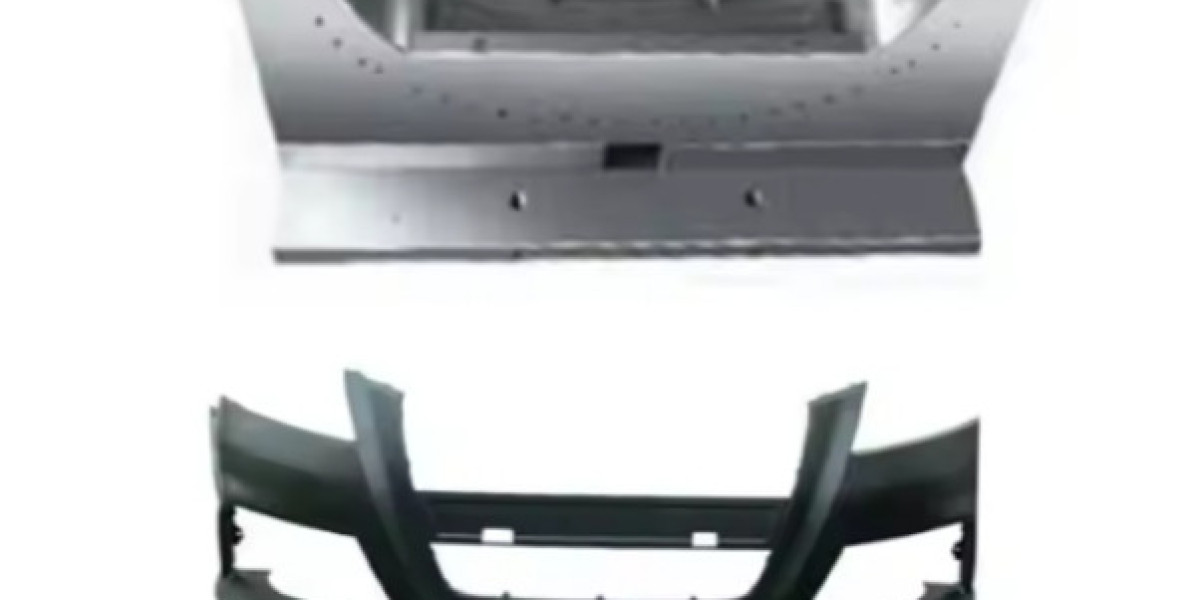

Modern vehicle safety systems rely heavily on energy absorption, lightweight structures, and efficient repairability. One important exterior component that combines all of these functions is the Car Bumper. Although many drivers see it mainly as a cosmetic panel, the bumper assembly plays a major role during low-speed impacts and contributes to vehicle aerodynamics and pedestrian protection.
Older vehicles commonly used thick chrome-plated steel bumpers. These structures were durable but heavy, and they transferred more impact force directly into the vehicle body. Current automotive production has shifted toward thermoplastic materials such as polypropylene blends and thermoplastic elastomers. These materials help reduce overall vehicle weight while still providing flexibility and controlled deformation during collisions. Research from automotive manufacturing sources shows that polypropylene-based materials are widely used because of their balance between rigidity, elasticity, and recyclability.
A modern bumper system is usually made of several layers. The outer fascia is typically injection molded plastic, while the internal reinforcement beam may use high-strength steel or aluminum. Between these layers sits an energy absorber made from expanded polypropylene foam or similar materials. This combination allows the structure to disperse collision energy more effectively.
Manufacturing technology has also changed significantly during the last decade. Large-scale injection molding systems now produce bumper covers with high dimensional accuracy and consistent surface quality. Typical injection temperatures range between 180°C and 280°C, while injection pressure may reach 800–1500 bar depending on material and mold structure. Cooling systems inside the mold play a major role in reducing warpage and maintaining precise geometry.
Vehicle designers also pay attention to aerodynamic performance. Smooth bumper contours can reduce airflow resistance around the front and rear of the vehicle. Even small improvements in drag coefficient may contribute to lower fuel consumption or increased electric vehicle range. Many bumper designs now integrate air ducts, parking sensors, radar systems, and camera housings directly into the molded structure.
Repair considerations are another reason plastic bumpers remain popular. Minor scratches, dents, and cracks can often be repaired through plastic welding or structural adhesives instead of replacing the entire assembly. Repair technicians frequently work with PP and TPO materials because they respond well to thermal repair methods. However, areas containing radar sensors or advanced driver assistance systems require additional care to maintain calibration accuracy.
Sustainability has become an important topic in automotive manufacturing as well. Lightweight bumper systems help reduce vehicle emissions by lowering total mass. Some manufacturers also explore recycled plastics and recyclable foam absorbers to reduce environmental impact during production and disposal. Industry discussions increasingly focus on repair and recycling standards to reduce plastic waste generated from collision repairs.
The future of bumper manufacturing will likely include smarter materials, integrated sensing technology, and more advanced molding systems. As electric vehicles continue to expand globally, lightweight structures and multifunctional components are expected to become even more important in automotive engineering.