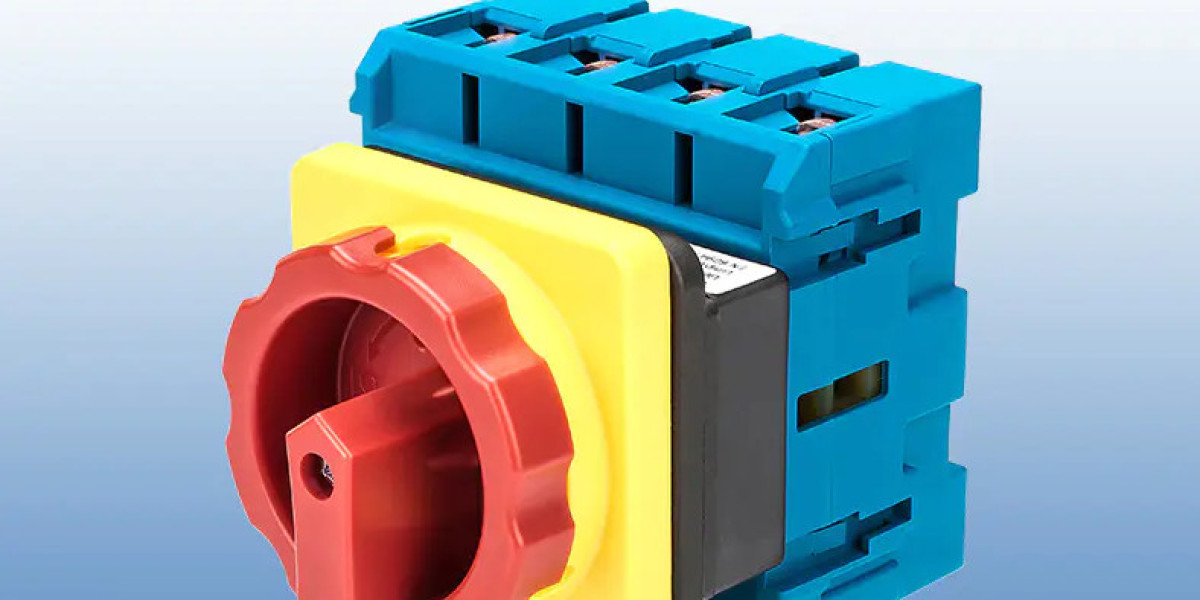

Ask an electrical engineer where they have encountered a multi-position cam switch and the list tends to run long. These rotary switching devices show up across an unusually wide range of sectors, doing unglamorous but essential work in control panels, test rigs, power distribution boards, and machine consoles around the world.
In power generation and distribution, cam switches handle tasks like bus-tie selection, voltmeter and ammeter phase switching, and synchronizing panel controls. A multi-position cam switch used for phase measurement, for instance, lets an operator step through each phase connection in sequence, reading voltage or current at each position without rewiring anything. The switch absorbs what would otherwise require multiple separate switching devices, keeping the panel layout cleaner and the operator's workflow more straightforward.
Motor control is another area where the multi-position cam switch earns its keep. Reversing starters, star-delta changeover circuits, and speed-selection systems for multi-winding motors all benefit from the ability of a cam switch to switch several circuits simultaneously in a defined sequence. A two-position or three-position cam switch configured for motor direction control, for example, can disconnect the forward contactors while engaging the reverse ones in a single handle movement — with appropriate interlocking built directly into the cam profile rather than relying entirely on separate relay logic.
Testing and measurement equipment has historically relied on cam switches for range selection and input routing. The ability to switch cleanly between circuit paths while carrying the handle detent to a firm, indexed stop makes the cam switch well-suited to applications where an ambiguous or intermediate position would produce meaningless readings or create a fault condition.
Marine and offshore environments favor the rugged construction of industrial cam switches, where exposure to moisture, vibration, and salt air puts lighter switching components under stress they cannot sustain. Heavy machinery, cranes, and material handling equipment similarly depend on cam switches for mode selection and safety interlock functions. In each of these settings, the multi-position cam switch brings a mechanical straightforwardness and a physical robustness that solid-state alternatives can approach but rarely fully replicate in the harshest conditions.