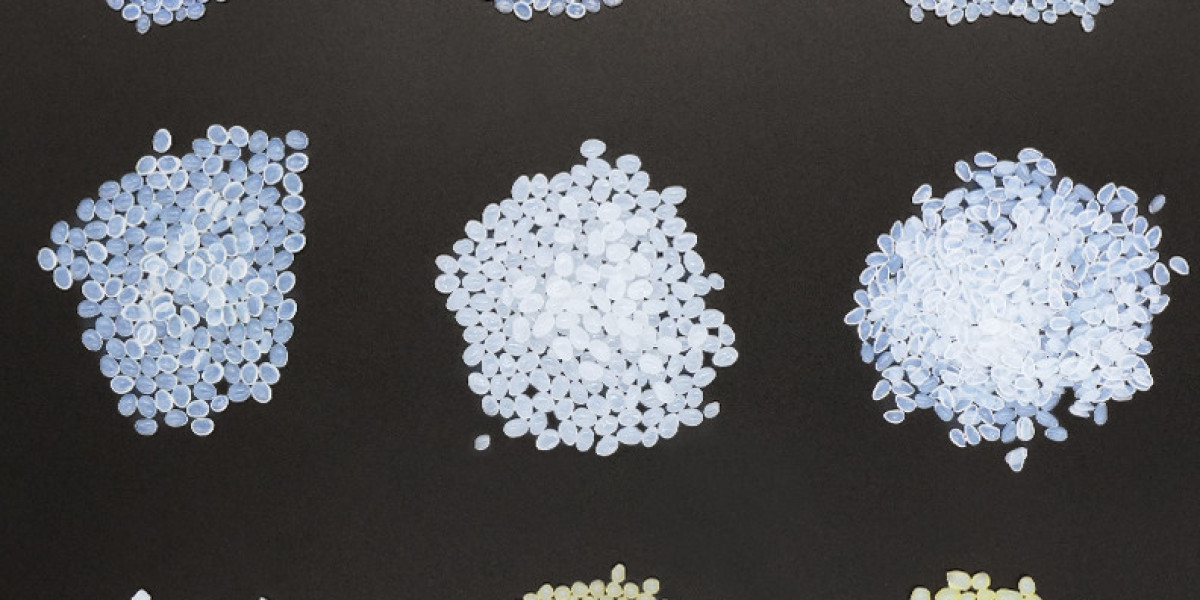

High Quality Hot Melt Adhesive is not simply melted plastic—it is a precision-formulated thermoplastic polymer blend. In industrial applications, its performance determines assembly line efficiency, product durability, and safety compliance. So what separates an inferior product from a reliable one? The answer lies in strict quality control during manufacturing and a deep understanding of key technical parameters.
Key technical parameters of high quality hot melt:
Viscosity (cP at 160°C): Premium adhesives maintain viscosity within ±5% of target, e.g., 2.500–4.000 cP for spray-grade EVA-based formulas. Lower viscosity ensures better wetting; higher viscosity offers gap-filling.
Softening point (Ring & Ball method): Typically 85–110°C for general-purpose adhesives. High heat resistance grades reach 130–150°C without degradation.
Open time & set time: Quality products have consistent open time (e.g., 15–30 seconds) and set time (2–10 seconds) across batch-to-batch production.
Peel adhesion & shear adhesion failure temperature (SAFT): SAFT above 120°C indicates high thermal stability.
How manufacturers ensure quality:
Raw material screening: Each batch of base polymer (EVA, polyolefin, or polyamide), tackifier, and wax is tested for melt flow index (MFI) and acid value.
In-process monitoring: Real-time viscosity and temperature logging during blending. Deviations beyond ±2% trigger rejection.
Finished product tests: Ball-and-ring softening point, 180° peel test on corrugated cardboard (≥25 N/25 mm for packaging grade), and low-temperature flexibility (-20°C bend test).
Thermal stability test: Adhesive held at 180°C for 72 hours—color change, skin formation, or viscosity shift >15% indicates poor quality.
Why consistency matters in production lines:
Prevents nozzle clogging in automated dispensing systems (grid melters or bead applicators).
Reduces rejected cartons or nonwoven products (e.g., diaper lamination failures).
Lowers maintenance cycles: quality adhesive leaves minimal char (carbon residue ≤0.1% after 24h at 190°C).
In short, a high quality hot melt adhesive is traceable, repeatable, and robust against thermal and mechanical stress. Without rigorous quality control, even the best raw materials produce unpredictable bonding.