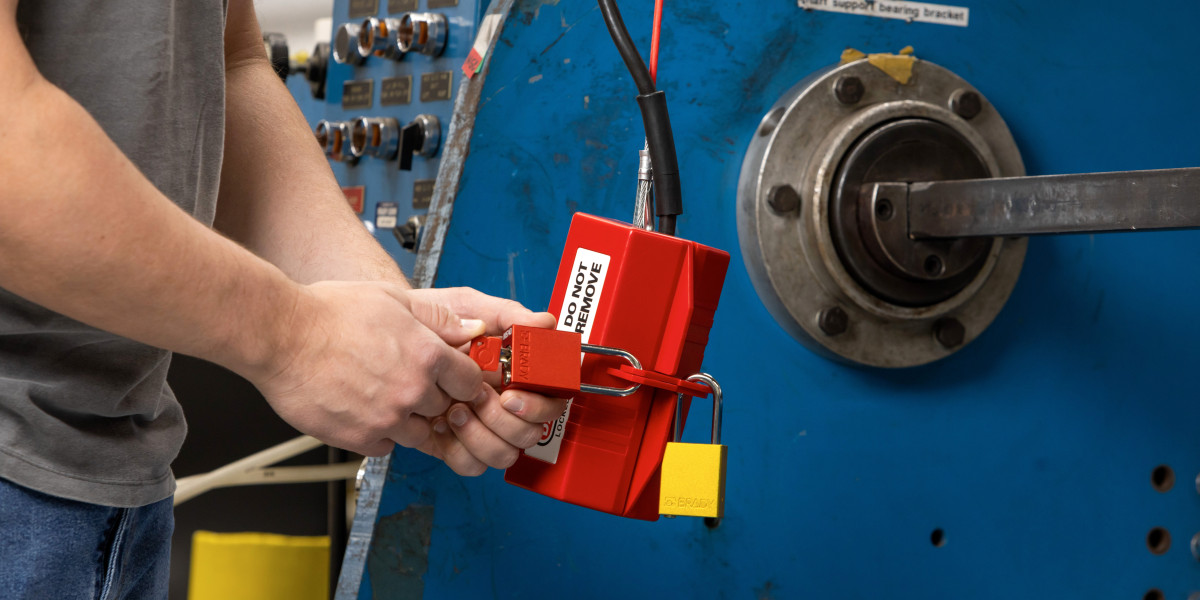

Imagine a maintenance worker repairing a conveyor belt in a factory. The machine looks switched off, but without warning, it suddenly starts moving. This kind of hidden danger is exactly what workplace safety systems are designed to prevent. One of the most important safety procedures in industrial environments is Lockout Tagout (LOTO), a method that ensures machines are properly shut down and cannot be accidentally restarted during maintenance.
In many industries today, understanding such safety procedures is no longer optional. It is part of professional development and compliance training. That is why many learners now explore programs like an OSHA Course Online, which helps them build structured knowledge about workplace hazards and control systems used to prevent serious accidents.
What is Lockout Tagout (LOTO)?
Lockout Tagout is a safety procedure used in workplaces to ensure that dangerous machines are completely shut off and cannot be started again until maintenance or repair work is finished. It protects workers from unexpected energization, mechanical movement, or release of stored energy.
At its core, LOTO involves two key actions:
Lockout: Physically locking the energy source so it cannot be turned on
Tagout: Attaching a warning tag that clearly states the equipment must not be operated
These two steps work together to create a controlled environment where workers can safely perform repairs or inspections.
LOTO is commonly used in factories, power plants, construction sites, chemical industries, and any workplace involving heavy machinery or electrical systems.
Why Is Lockout Tagout Critical for Workplace Safety?
Lockout Tagout is not just a procedural requirement. It is a life-saving system. Many workplace injuries occur not because machines are faulty, but because they are activated unexpectedly during maintenance.
1. Preventing Accidental Machine Startups
One of the biggest risks in industrial environments is accidental energization. A simple switch error or miscommunication can restart a machine while someone is inside or working on it. LOTO eliminates this risk completely.
2. Protecting Workers from Stored Energy
Machines do not only rely on electricity. They can store energy in different forms such as:
Hydraulic pressure
Pneumatic force
Mechanical tension
Thermal energy
If not properly released, this stored energy can cause severe injuries. LOTO ensures all energy sources are neutralized before work begins.
3. Ensuring Legal and Regulatory Compliance
Workplace safety regulations in many countries require strict adherence to LOTO procedures. Organizations that ignore these standards often face penalties, shutdowns, or legal consequences.
4. Building a Safety Culture
When employees consistently follow Lockout Tagout procedures, it builds a culture of responsibility. Workers become more aware of hazards and take proactive steps to prevent accidents.
How Lockout Tagout Works?
Understanding the process helps workers apply it correctly in real situations. A proper LOTO system usually follows these steps:
1. Preparation and Identification
Before starting any maintenance, the authorized worker identifies all energy sources connected to the machine.
2. Shutdown of Equipment
The machine is turned off using normal shutdown procedures.
3. Isolation of Energy Sources
All energy sources such as electrical circuits, valves, or mechanical systems are disconnected.
4. Application of Lockout Devices
Physical locks are placed on energy-isolating devices to prevent reactivation.
5. Tagging the Equipment
Warning tags are attached to clearly communicate that maintenance is in progress.
6. Release of Stored Energy
Any remaining stored energy is safely discharged or controlled.
7. Verification
Before starting work, the system is tested to ensure it cannot be powered on.
Mistakes in Lockout Tagout Procedures
Even trained workers sometimes make errors that can lead to serious consequences. Some of the most common mistakes include:
Skipping energy source identification
Relying only on tagout without physical locks
Not verifying machine shutdown
Removing locks without authorization
Poor communication between teams
Each of these mistakes increases the risk of accidents significantly. Proper training and consistent practice are essential to avoid them.
Real-World Workplace Scenario
Consider a maintenance team working in a food processing plant. A technician is assigned to repair a packaging machine. The machine appears to be turned off, so work begins immediately. However, due to a hidden electrical connection, the machine unexpectedly activates.
In a properly implemented Lockout Tagout system, this situation would never occur. The technician would first isolate all energy sources, apply locks, and confirm zero energy before starting the repair. This simple process can be the difference between a safe workday and a serious workplace injury.
Practical Lockout Tagout Safety Checklist
Here is a simple checklist workers can follow before starting maintenance:
1. Before Work Begins
Identify all energy sources
Inform all affected employees
Shut down equipment properly
2. During Lockout
Apply lockout devices securely
Attach clear warning tags
Release stored energy safely
3. Before Starting Maintenance
Test equipment for zero energy
Confirm isolation is effective
Ensure all workers are aware of status
Following these steps consistently reduces risk and improves workplace safety significantly.
Importance of Training and Professional Safety Education
Understanding Lockout Tagout is not just about reading procedures. It requires structured training, hands-on practice, and awareness of real-world risks. This is why many professionals invest time in safety certification programs that cover industrial hazard control, compliance standards, and emergency prevention systems.
Learning platforms and safety institutes provide structured pathways for workers to gain these skills. Many beginners also explore flexible learning options like an OSHA Course Online, which helps them understand OSHA standards, hazard prevention techniques, and practical workplace safety systems in a structured format.
When selecting a training program, learners often consider instructor experience, course structure, and certification value. In some regions, discussions around OSHA Fee in Pakistan also help learners understand the affordability and accessibility of professional safety training programs available locally.
The goal of such education is not just certification, but building confidence to work safely in high-risk environments.
FAQs
What is Lockout Tagout used for?
Lockout Tagout is used to ensure that machines are properly shut down and cannot be restarted during maintenance or repair work, preventing workplace injuries.
Why is LOTO important in industries?
It prevents accidental machine startup, protects workers from stored energy, and ensures compliance with safety regulations.
Who is responsible for applying Lockout Tagout?
Only authorized and trained employees are responsible for applying LOTO procedures in a workplace.
Can Lockout Tagout prevent all workplace accidents?
While it significantly reduces risks related to machinery, overall safety depends on multiple systems and safe work practices.
Is training required for Lockout Tagout?
Yes, workers must receive proper training before performing LOTO procedures to ensure correct and safe implementation.
Conclusion
Lockout Tagout is one of the most essential safety systems in industrial workplaces. It prevents unexpected machine startups, protects workers from hidden energy hazards, and ensures compliance with global safety standards. When applied correctly, it creates a safer and more controlled working environment for everyone involved.
As industries continue to evolve, safety education becomes even more important. Structured learning programs and certification pathways help workers build practical knowledge and confidence to handle real-world risks effectively. Whether someone is starting their career or upgrading their skills, safety training remains a key foundation for long-term professional growth.