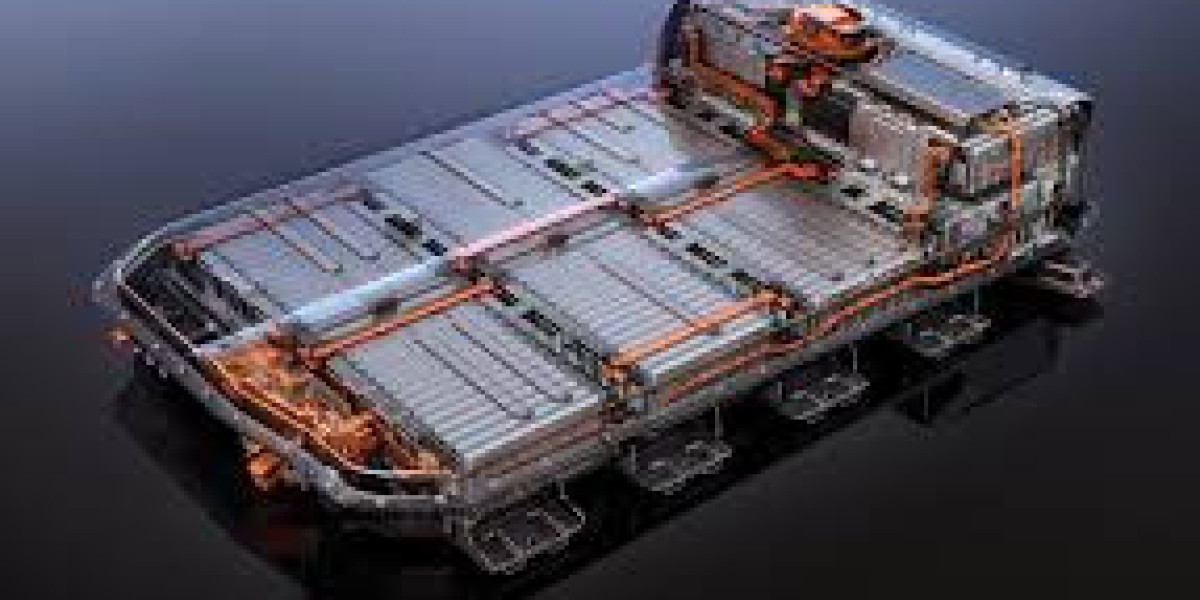

As the global transition toward renewable energy accelerates, the intermittent nature of solar and wind power presents a significant challenge for grid operators. To bridge the gap between generation and demand, Hybrid Battery Energy systems have emerged as a cornerstone of modern energy infrastructure. By combining different storage technologies—such as Lithium-ion batteries for high energy density and Supercapacitors or Flow batteries for high power bursts—these systems offer a versatile solution that single-technology setups cannot match.
The primary advantage of a hybrid approach is the optimization of life cycles and costs. Lithium-ion batteries are excellent for steady discharge over several hours but can degrade quickly if used for frequent, rapid fluctuations. By integrating a "power-dense" component to handle quick spikes in demand, the "energy-dense" battery is protected, significantly extending the overall lifespan of the system. This synergy ensures that the grid remains stable, providing high-quality power even when the sun sets or the wind stops blowing.