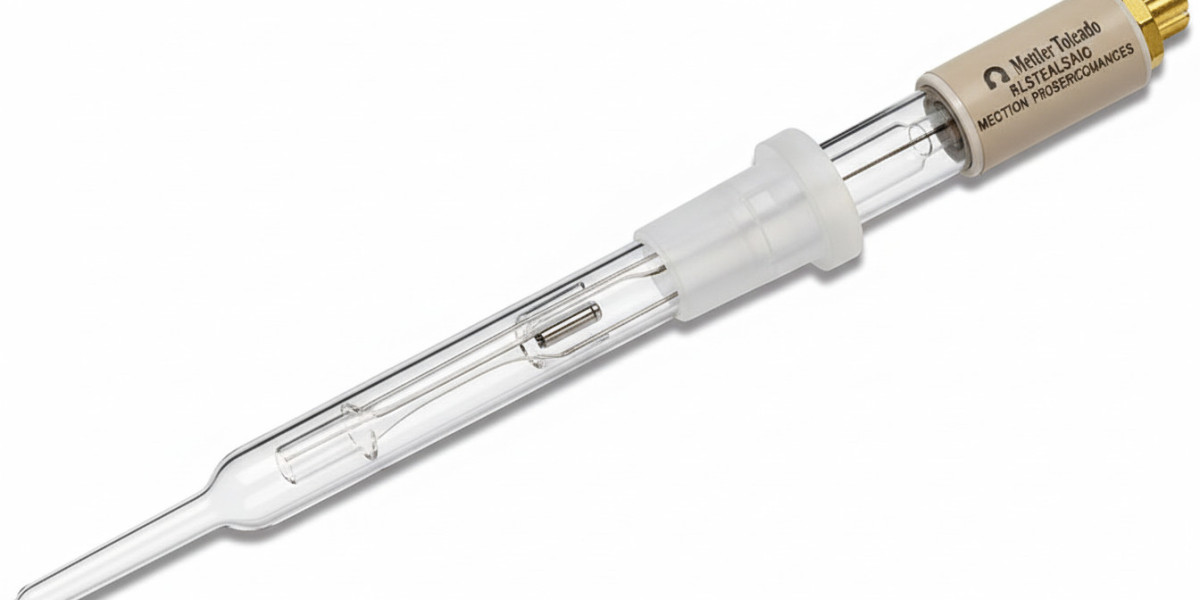

The R501 reference electrode is an essential component in electrochemical measurements, widely used in laboratories and industrial applications. It provides a stable and known potential against which other electrode potentials can be measured. Without a reliable reference electrode, achieving accurate and repeatable results in electrochemical experiments would be difficult. The R501 model is known for its precision, durability, and compatibility with various testing environments, making it a preferred choice for professionals.
What is a Reference Electrode
A reference electrode is a type of electrode that maintains a constant voltage regardless of the solution composition. It acts as a benchmark in electrochemical cells. The R501 reference electrode fulfills this role by offering a stable electrochemical potential, which is critical in experiments like pH measurement, corrosion analysis, and voltammetry. Its design ensures minimal fluctuation, allowing researchers to obtain consistent data over time.
Working Principle of R501 Reference Electrode
The R501 reference electrode operates based on a stable redox system. It typically contains an internal electrolyte and a reference element that establishes a fixed potential. When immersed in a solution, it completes the electrical circuit and allows measurement devices to compare potentials accurately. The stability of the internal electrolyte and the electrode junction ensures reliable readings, even in varying chemical environments.
Key Features of R501 Reference Electrode
The R501 reference electrode comes with several notable features that enhance its performance. It is designed with high chemical resistance, allowing it to function effectively in aggressive solutions. Its robust construction ensures long-term use without frequent replacement. The electrode also offers quick response times, which is crucial in dynamic measurement conditions. Additionally, it is easy to maintain and calibrate, making it suitable for both beginners and experienced users.
Applications in Electrochemical Analysis
The R501 reference electrode is widely used in electrochemical analysis across multiple industries. In laboratories, it plays a vital role in research involving redox reactions and electrochemical kinetics. In industrial settings, it is used for monitoring corrosion in pipelines and metal structures. Environmental testing also relies on this electrode for water quality analysis. Its versatility makes it an indispensable tool in scientific and industrial processes.
Importance in pH Measurement Systems
In pH measurement systems, the R501 reference electrode works alongside a glass electrode to determine the acidity or alkalinity of a solution. Its stable potential ensures accurate pH readings, which are critical in industries such as food processing, pharmaceuticals, and water treatment. Any instability in the reference electrode could lead to incorrect readings, highlighting the importance of using a reliable model like the R501.
Advantages of Using R501 Reference Electrode
One of the main advantages of the R501 reference electrode is its consistency. It delivers stable results over extended periods, reducing the need for frequent recalibration. Its durability also lowers operational costs, as it does not require frequent replacement. The electrode’s compatibility with various instruments makes it highly flexible. Moreover, its ease of use ensures that even non-experts can operate it efficiently.
Maintenance and Care Tips
Proper maintenance is essential to ensure the longevity of the R501 reference electrode. It should be stored in appropriate conditions, usually in a solution recommended by the manufacturer. Regular cleaning of the electrode junction helps prevent contamination. Users should also check the electrolyte level periodically and refill it if necessary. Avoiding physical damage and exposure to extreme temperatures can further extend its lifespan.
Common Issues and Troubleshooting
Like any scientific instrument, the R501 reference electrode may encounter issues. Drift in readings is a common problem, often caused by contamination or depletion of the internal electrolyte. Slow response time may indicate a clogged junction. These issues can usually be resolved through cleaning, recalibration, or replacing the electrolyte. Regular inspection helps in identifying problems early and maintaining optimal performance.
Comparison with Other Reference Electrodes
Compared to other reference electrodes, the R501 stands out due to its reliability and versatility. While standard electrodes like silver/silver chloride or calomel electrodes are widely used, the R501 offers improved durability and stability in certain applications. Its design makes it suitable for both laboratory and field use, giving it an edge over more delicate alternatives.
Industrial Relevance of R501 Reference Electrode
Industries such as chemical manufacturing, oil and gas, and water treatment rely heavily on accurate electrochemical measurements. The R501 reference electrode supports these industries by providing dependable data. In corrosion monitoring, for example, it helps in assessing the integrity of metal structures, preventing costly failures. Its role in quality control processes also ensures that products meet required standards.
Future Trends in Reference Electrode Technology
Advancements in electrochemical technology are leading to the development of more efficient and durable reference electrodes. The R501 reference electrode represents a step forward in this evolution. Future designs may include improved materials, longer lifespan, and enhanced resistance to contamination. These innovations will further increase the reliability of electrochemical measurements in various fields.
Conclusion
The R501 reference electrode is a crucial tool in electrochemical analysis, offering stability, accuracy, and versatility. Its applications span across research, industry, and environmental monitoring. By understanding its working principle, features, and maintenance requirements, users can maximize its performance and lifespan. Whether in a laboratory or an industrial setup, the R501 reference electrode remains a reliable choice for precise measurements.