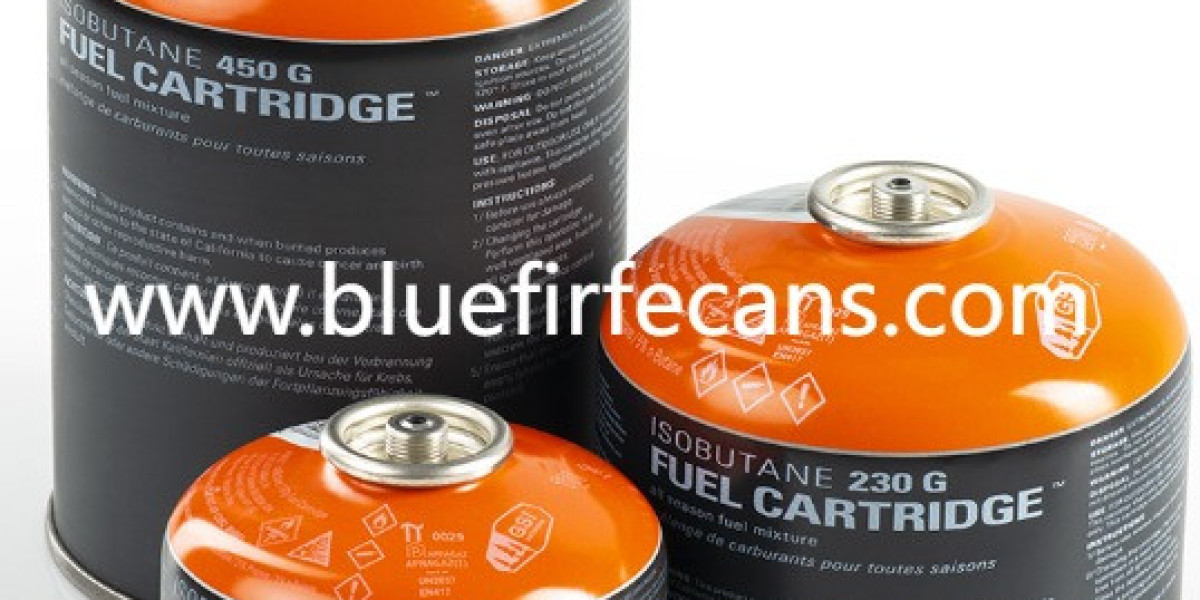

When you plan a short trip, thinking about fuel stretches beyond packing a stove and a light bottle. A 450g Gas Canister can be a compact source of heat but only if used with attention to efficiency. Small decisions from how you light a stove to how you shelter your flame change how long a single canister will last. With energy concerns widely discussed, stretching fuel while staying safe matters to many.
Start with the basics of burner matching. The right pairing between stove and cartridge avoids waste from incomplete combustion. Some burners are tuned for steady flow and capture heat better. Others lose warmth to the air. Try a quick trial at home to see if your setup produces a steady boil without running the flame at full power for long periods.
Mind the wind and the pot. Shielding a flame from gusts reduces fuel loss but choose wind guards that do not trap dangerous gases. A snug fitting pot lid keeps heat where it belongs and shortens boiling time. Using a pot with a flat bottom and close thermal contact reduces simmer time and the number of refills you need.
Adjust flame control with patience. Many users crank heat to reach a target fast then let the device waste fuel while maintaining a higher flame. Use medium settings once boiling point is reached. Pulse heating in small increments often uses less fuel than constant maximal flames. Remember that a steady simmer consumes less gas than repeated full power cycles.
Consider preheating the canister in cold weather in a safe manner. Cold reduces vapor pressure and lowers output. Warming a canister with body heat or keeping it insulated in a pack improves flow when you light. Never use open flame to heat a pressurized container. Simple insulation keeps the fuel ready without risk.
Maintain your equipment. Clean jets and check seals regularly. A small leak or a partially blocked nozzle causes uneven flames and wasted gas. Replace worn gaskets and check valve seating so each ignition produces a reliable flame. Regular maintenance reduces surprises that end a meal early and force you to use more fuel.
Portion control can extend the life of a canister. Cook only what you need and favor recipes that require modest simmering. Rehydrate dried meals with hot water rather than long cooking. Use shared pots to conserve fuel when traveling with a group and time meals to avoid multiple quick cooks.
Pack a small lighter or reliable ignition source that works in wind. Struggling to light a burner leads to repeated attempts and unnecessary consumption. A good match or lighter that is rated for outdoor use reduces wasted fuel and keeps things moving when conditions change.
Monitor burn time during early uses and mark typical durations. Familiarity breeds better planning. If a canister lasts only a few boils in your setup, consider carrying a spare. If it lasts longer than expected, you still gain peace of mind. Record keeping can be a simple note in a phone or a small log that fits in your gear bag.
Finally, think beyond the stove. Planning meals that require less cooking and using cookware that retains heat lowers demands on any single canister. When fuel scarcity or supply concerns rise, small shifts in cooking habits reduce dependence and keep outings enjoyable.
Put efficiency into practice before you leave. Test your setup, pack sensibly, and keep simple maintenance tools handy. These steps help you get the most from a single canister and keep your trip focused on the experience rather than on refueling and plan for spares. https://www.bluefirecans.com/ .