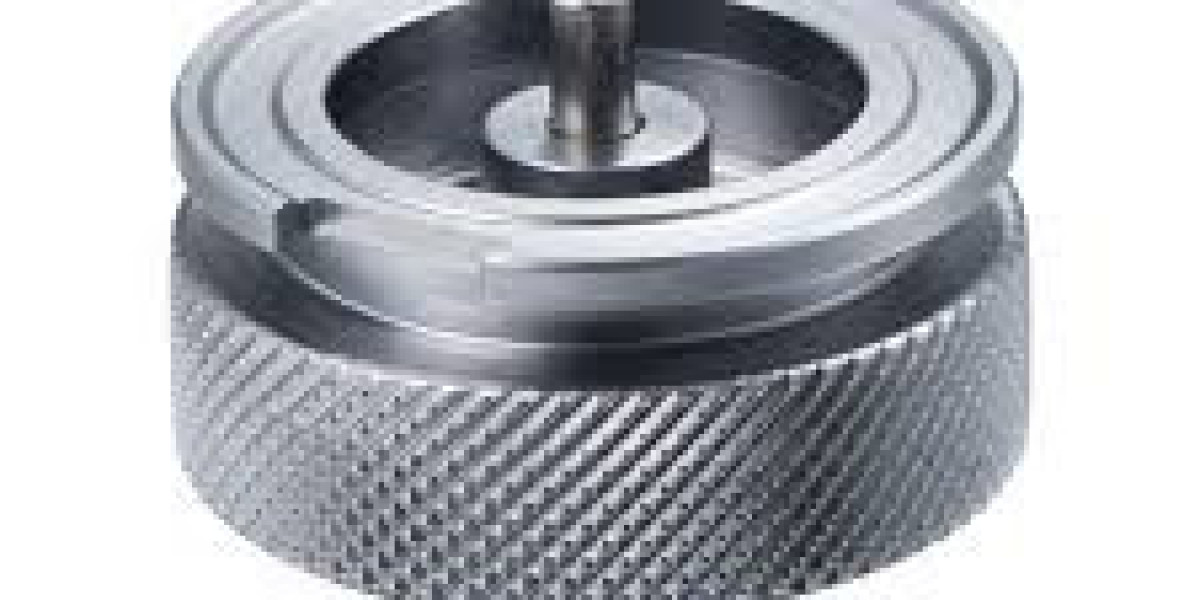

When you evaluate partners for production and supply, knowing where to source an EN417 Valve and what separates a routine part from one suited to long term manufacturing ties shapes how smoothly a program scales. These threaded safety valves are common on portable fuel cartridges and their specification, test records, and factory practices matter for performance, handling, and regulatory fit. If your team plans to qualify a vendor for series production, a focused sourcing strategy saves time and reduces downstream surprises.
Start with standards and conformity evidence. The EN 417 framework describes how non refillable metallic gas cartridges and their valves should be constructed and inspected so that goods move safely through distribution and into customer hands. Request the supplier's evidence of conformity to relevant clauses and ask to see sample test records that match the types of loads and handling you expect in your products. Those documents reveal whether the vendor treats compliance as paperwork or as a living part of production control.
Next review manufacturing capability and raw material sourcing. A committed valve maker will show consistent incoming material checks and machining tolerances for threads seals and orifice geometry. Thread precision affects sealing behaviour when cartridges are connected and disconnected in the field; gasket compound and metal grade affect long term compatibility with fuels under varied climates. Ask potential partners about material declarations and where critical inputs originate so you can anticipate supply risks and substitution impacts.
Inspect testing and inspection regimes on site or via documented evidence. Functional testing such as air tightness checks pressure verification and torque controls for threaded connections simulate expected use and transit stresses. Manufacturers that publish or demonstrate robust in line testing reduce the chance that batches with subtle defects reach assembly lines. If possible request recent sample reports or witness a run of spot checks to confirm repeatability and to see how non conformances are logged and closed.
Consider production scale and automation matters. Some vendors maintain manual assembly stations for small volumes while others operate fully automated lines that deliver consistency at higher throughput. Determine which approach fits your forecast and whether the supplier's quality assurance systems scale with volume. Automated lines often reduce human error in torque application and part orientation but ask how tooling changeovers are validated so you avoid variations when switching families or part revisions.
Audit packaging and shipping practices that protect valve geometry. Threads and valve faces can be damaged in transit if actuators are exposed or boxes are stacked without protective fixtures. A supplier that offers protective caps, dedicated inner trays, or palletising standards indicates attention to how parts arrive at your assembly line. Damage prevention upstream saves time and cost once parts enter your own production flows.
Evaluate traceability and corrective action processes. When a supplier can link a test record to a specific batch it speeds root cause work in the event of a field issue. Ask how batches are coded, how long records are retained, and how the vendor handles returns or replacement shipments. Firms that show clear escalation paths and corrective action closures tend to resolve issues faster and keep disruption minimal.
Seek partners who document compatibility testing with common fuels and regulators. Valve materials interact with formulations and propellants; evidence that a supplier has run compatibility tests with representative blends reduces risk of swelling, cracking, or slow leaks later. Request results rather than claims and where possible ask for sample parts to validate in your own formulations and environmental chambers.
Match supplier capability to commercial terms that matter to you. Ask about minimum order quantities changeover lead times and whether the vendor can handle small pilot runs before full scale supply. Confirm sample policies, packaging options and whether certain test reports are included in shipment documentation. Clear commercial terms aligned with technical expectations let you move from prototype to production without renegotiating basic requirements at each step.
Tap into reputable supplier channels when you shortlist partners. Trade platforms and specialised manufacturers list options but use them as a start not an endpoint; follow up with audits references and on site visits for candidates who pass paperwork review. A credible valve factory will welcome technical dialogue, show test procedures, and make sample parts available under a trial agreement so you can confirm fit with your designs.
Finally, build sourcing into your product road map. Early engagement on valve selection speeds certification, improves user safety, and simplifies logistics planning. When your procurement, engineering and quality teams align on valve specification and vendor expectations you reduce time to market and create a reliable supply path for scaling production. If you would like to review valve families, assembly notes, and factory capabilities from a supplier that publishes production and inspection details consult the product and technical pages at the manufacturer site: https://www.bluefirecans.com/ .