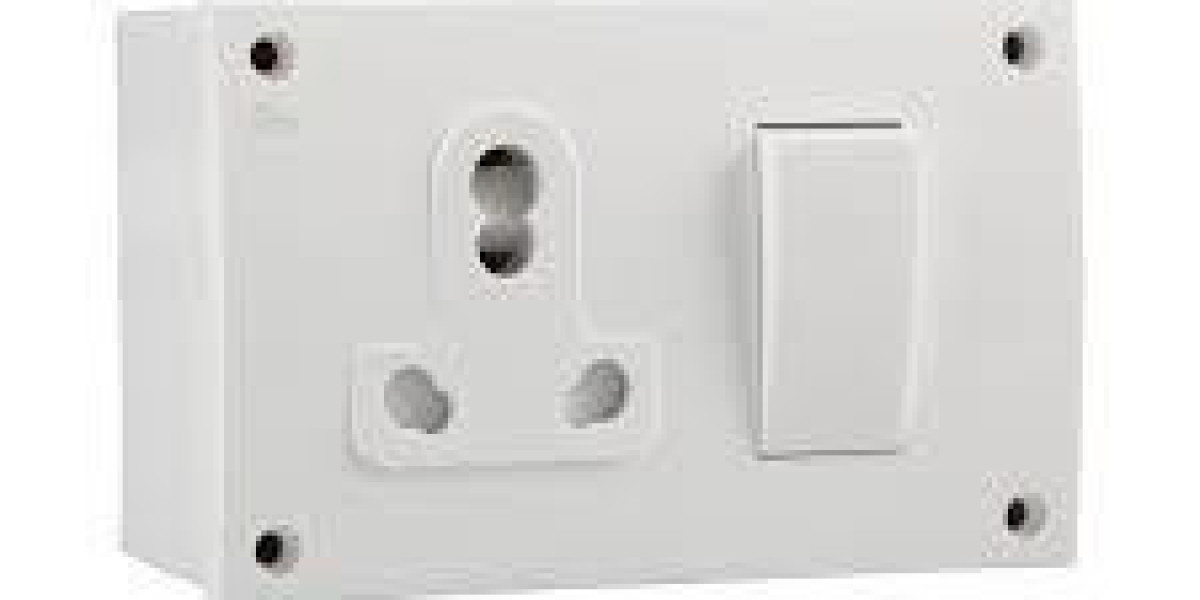

Choosing the right outlet enclosure shapes uptime, safety, and future flexibility. In many specifications, early planners place a Electrical Socket Box in the center of power distribution and access strategies so cable routing, protective devices, and maintenance clearances can be coordinated before construction begins. This article outlines practical selection criteria, mounting and wiring practices, integration options, compliance considerations, and lifecycle-focused maintenance advice for facility managers, installers, and design teams.
Durable Materials and Effective Sealing
Material selection determines how long an enclosure will withstand daily wear and harsh environments. Metal housings (die-cast aluminum, stainless steel) provide impact resistance and grounding paths, while engineered thermoplastics offer corrosion resistance and reduced weight where metals are impractical. Choose gasket compounds rated for UV, ozone, and compression set to preserve seals through thermal cycling. Fasteners should be corrosion-resistant and, where possible, captive to avoid lost hardware during service. For wet or washdown areas, specify IP-rated lids with drainage bosses and sloped faces to discourage standing water.
Mounting, Access, and Ergonomic Placement
The placement of power points affects both worker efficiency and equipment longevity. Surface-mounted boxes are ideal for retrofits because they avoid wall cavities; recessed units provide a cleaner look where aesthetics matter. Mount at ergonomic heights to reduce strain and prevent cord tripping hazards. Reinforce mounting substrates in high-use zones and use vibration-damping mounts near heavy machinery. Consider hinged front plates or quick-release latches so technicians can access terminals without removing the entire assembly, speeding routine inspections and replacements.
Wiring Practices and Load Coordination
Reliable operation depends on correctly sized conductors and properly coordinated protective devices. Account for motor inrush, continuous loads, and anticipated future expansion when choosing conductor sizes and upstream breakers. Use strain reliefs and glands sized to the cable to prevent conductor movement and terminal loosening. Maintain separation between power conductors and control or communication wiring to reduce interference and simplify troubleshooting. Clearly label terminals and provide simple as-built documentation to reduce human error during maintenance tasks.
Nante Integration Kits and Accessory Options
Accessory kits adapt a single enclosure design to a wide range of applications without redesign. Look for manufacturer-approved packages—hoods, lockable covers, gland plates, and mounting frames—that preserve the product’s rated protection when installed. These kits can include tamper-resistant receptacles, in-use weatherproof lids, and keyed lock collars for public or unsecured locations. Choosing accessory options from the original supplier helps ensure compatibility and maintains warranty coverage.
Safety Standards, Inspection Protocols, and Compliance
Select enclosures that support applicable local codes and international standards. Verify IP, IK, and any regional electrical listings (UL, CE, IEC) relevant to your project. Specify ground-fault protection where personnel contact is possible and include lockout/tagout access for safe servicing. Implement an inspection schedule that includes gasket condition checks, terminal torque verification, and visual inspection for moisture staining or corrosion. Use thermal imaging during planned outages to detect hot connections before failures occur.
Retrofit Approaches and Future-Proofing
When upgrading existing buildings, surface-mounted solutions minimize disruption while improving ingress protection and serviceability. Where possible, reuse existing conduit and routing to save cost—but always assess the condition of grounding and bonding systems before reoccupation. Design for modularity: permit future additions (USB chargers, monitoring sensors, or additional receptacles) without major enclosure changes. Future-proofed socket points reduce lifecycle cost and simplify phased upgrades.
Maintenance Strategies That Limit Downtime
A proactive maintenance regime protects investments. Replace consumables—gaskets, dust caps, and sacrificial fuses—on a schedule rather than waiting for failure. Keep a local spares kit of common parts and document replacement intervals. Train technicians on correct torque values and proper re-sealing techniques after servicing. Modular internals that allow component swaps without removing the housing shorten repair times and keep facilities running.
Conclusion: Plan Early, Specify Wisely, Maintain Regularly
A thoughtfully selected outlet enclosure delivers measurable reliability and safety benefits while lowering lifetime costs. Prioritize durable materials, accessible wiring layouts, compatible accessories, and a clear maintenance regimen to protect personnel and equipment. For detailed product specifications, accessory options, and ordering details, visit www.nante.com